Preserving Regional Hindu Rituals in the Diaspora: Harmonizing North, South, Bengali & Western Traditions
डायस्पोरा में क्षेत्रीय परंपराएं: उत्तर, दक्षिण, बंगाली और गुजराती रीति-रिवाज
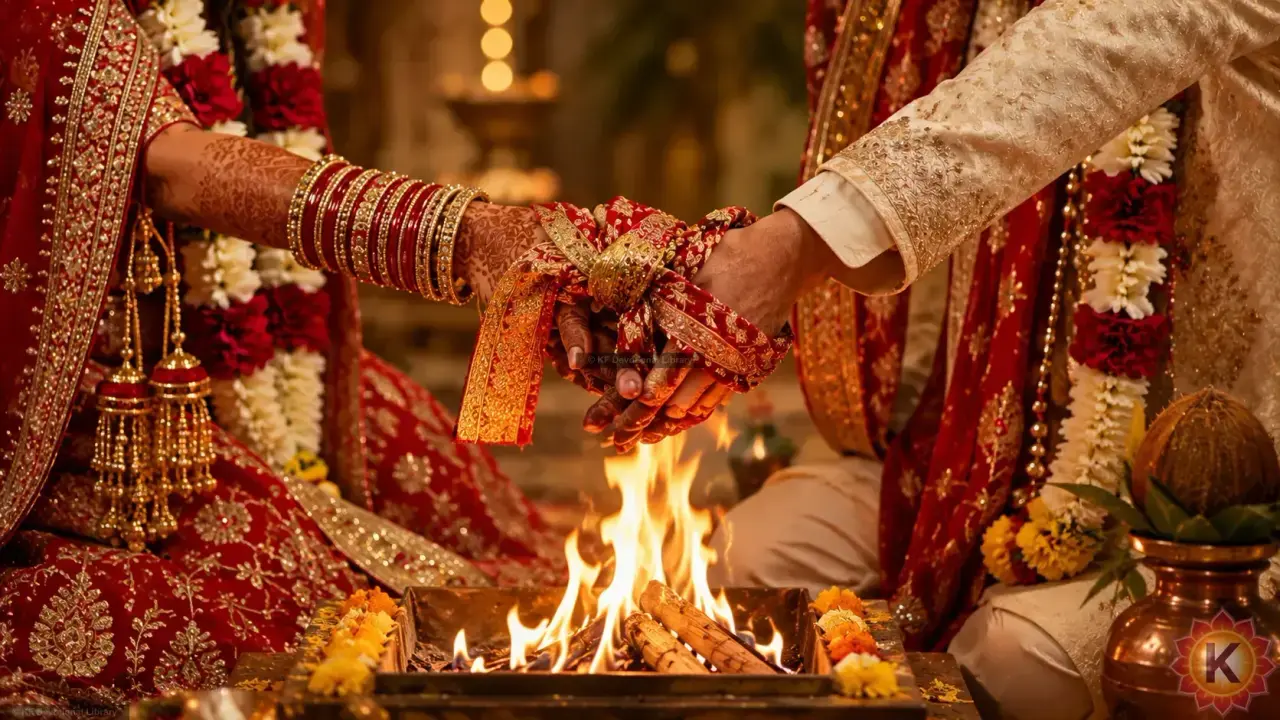
One of the greatest beauties of Sanatan Dharma is its living pluralism: an astounding tapestry of regional traditions, linguistic customs, culinary offerings, and liturgical styles. Outside India, where diaspora families live side by side, preserving specific ancestral heritage while celebrating shared Sanatan unity is a rewarding journey.
सनातन धर्म की सबसे बड़ी विशेषता इसकी सांस्कृतिक विविधता है। उत्तर भारत की सत्यनारायण कथा और करवा चौथ, दक्षिण भारत का विल्लकु पूजा और कोलम, बंगाल की महालया और सिन्दूर खेला, तथा गुजरात का डांडिया और चोपड़ा पूजन — विदेश में ये सभी परंपराएं एक साथ खिलती हैं। जानिए कैसे प्रवासी परिवार इन अनमोल धरोहरों को संजोते हैं।
At A Glance Quick Facts
- Sanatan Dharma contains zero dogma requiring a single universal ritual format; regional customs (Deshachara) and family traditions (Kulachara) carry scriptural authority.
- Understanding the difference between the Purnimanta calendar (North India) and the Amanta calendar (South & West India) prevents confusion over festival dates.
- Inter-regional couples in the diaspora enrich their households by weaving the husband's and wife's traditions together without suppressing either.
- In diaspora community temples, multi-deity sanctums (such as Venkateswara, Shiva, Durga, and Ganesha under one roof) serve as magnificent centers of pan-Indian solidarity.
1. The Shastric Authority of Deshachara and Kulachara
1. देशाचार और कुलाचार की शास्त्रसम्मत मान्यता
A common point of confusion among diaspora youth is encountering friends who perform the same festival with entirely different steps. For instance, while a North Indian family fasts throughout the day on Karwa Chauth awaiting moonrise, a Tamil family celebrates Varalakshmi Vratam with a consecrated coconut Kalash decorated as the Goddess, and a Bengali family observes Kojagari Lakshmi Puja on Sharad Purnima with hand-painted Alpona.
The classical Apastamba Dharmasutra and Manusmriti explicitly recognize three tiers of religious practice:
-
Sadharana Dharma (Universal Virtues): Truth (Satya), non-violence (Ahimsa), charity (Dana), and devotion (Bhakti).
-
Deshachara (Regional Customs): Practices refined over millennia within specific geographical micro-climates and kingdoms.
-
Kulachara (Family Traditions): Intimate rites passed down through ancestral lines (e.g., specific deity naivedyams, gotra rites).
No regional variation is 'more authentic' than another; each expresses devotion through its own cultural poetry.
Vedic Wisdom on Plurality
'एकं सद्विप्रा बहुधा वदन्ति' (Rigveda 1.164.46) — The Truth is One, yet the wise articulate it in countless ways. Pluralism is the foundational cornerstone of Sanatan identity.
2. Comparative Overview of Major Regional Traditions Overseas
2. प्रमुख क्षेत्रीय परंपराओं का तुलनात्मक परिचय
Here is an authentic overview of regional liturgical nuances practiced across the diaspora:
| Regional Tradition | Primary Deity Focus | Unique Ritual Implements & Arts | Signature Diaspora Observance |
|---|---|---|---|
| North Indian (Hindi Belt / Punjab / Rajasthan) | Sri Rama, Krishna, Hanuman, Shiva, Lakshmi-Ganesh | Aata/Sindoor Chowk diagrams, Brass Lota, Mauli Kalava, Akhand Ramayan path | Chhath Puja in community parks, Karwa Chauth, Satyanarayan Katha on Purnima. |
| South Indian (Tamil, Telugu, Kannada, Malayalam) | Sri Venkateswara, Murugan, Shiva, Devi Meenakshi/Kamakshi | Kolam / Muggulu (rice flour motifs), Kuthuvilakku brass lamps, Betel leaves, Panchamrit | Navaratri Golu doll arrangements, Pongal/Sankranti, Varalakshmi Vratam, Karthigai Deepam. |
| Bengali & Eastern (Bengal, Assam, Odisha) | Maa Durga, Kali, Jagannath, Saraswati | Alpona (wet rice-paste art), Shankha & Pola conch bangles, Dhunuchi incense burners | Sharad Durga Puja halls, Sindoor Khela, Kojagari Lakshmi, Rath Yatra. |
| Western (Maharashtra & Gujarat) | Ganesh, Vitthal-Rukmini, Ambaji, Krishna (Srinathji) | Chopda Pujan accounts books, Modaks, Rangoli, Toran of mango/marigold | 10-day Ganeshotsav eco-immersion, Navratri Raas-Garba halls, Diwali Annakut. |
3. The Diaspora Calendar Dilemma: Purnimanta vs Amanta Systems
3. पंचांग की उलझन: पूर्णिमान्त और अमान्त पंचांग में अंतर
Why do diaspora calendar notices sometimes list different dates for festivals like Raksha Bandhan or Janmashtami? The primary reason lies in lunar month conventions:
-
Purnimanta System (उत्तर भारतीय पंचांग): The lunar month ends with the Full Moon (Purnima). Common in Uttar Pradesh, Bihar, Rajasthan, Madhya Pradesh, and Punjab. Under this system, months like Shravana or Kartika begin roughly two weeks earlier.
-
Amanta System (दक्षिण एवं पश्चिम भारतीय पंचांग): The lunar month ends with the New Moon (Amavasya). Prevalent in Gujarat, Maharashtra, Karnataka, Andhra Pradesh, Telangana, and Tamil Nadu.
While the names of the Pakshas (Shukla and Krishna) align across both systems, the designated month label differs during the dark fortnight. In the diaspora, reputable local temples always publish community calendars based on local astronomical moon-transit timings (e.g., US Eastern, Central, Pacific, UK GMT, or Australian Eastern Time) rather than copying Indian IST tables directly.
4. Harmonizing Cross-Regional Marriages in Overseas Homes
4. अंतर-क्षेत्रीय विवाहों में परंपराओं का सुंदर समन्वय
In cities like New York, London, Toronto, or Melbourne, inter-regional Hindu unions (e.g., a Tamil bride and a Punjabi groom, or a Gujarati bride and a Bengali groom) are wonderfully common. Here is how thriving families blend their heritages:
-
Celebrate Both Festival Cycles: Light the Diwali Lakshmi-Ganesh diyas in the North Indian tradition, and rise at dawn for the auspicious Ganga Snanam oil bath with South Indian Deepavali Marundu.
-
Create an Inclusive Home Mandir: Place Sri Venkateswara, Maa Durga, and Radha-Krishna side-by-side with equal reverence.
-
Bilingual Prayers for Children: Teach children the universal Maha Mantra, Gayatri Mantra, and simple regional Bhajans (such as a Tamil Kandar Sashti Kavasam verse alongside a Hindi Hanuman Chalisa).
A Message for Second-Generation Youth
Living abroad does not mean abandoning ancestral roots; it offers a rare opportunity to appreciate the full, grand symphony of Indian culture rather than an isolated fragment.
Preserving Regional Hindu Rituals in the Diaspora: Harmonizing North, South, Bengali & Western Traditions
Preserving Family Heritage Abroad Checklist • Verified Shastric Checklist
Preserving Family Heritage Abroad Checklist
Ways to cultivate cultural roots in your international home
Home Mandir & Daily Practice
Festival Celebration & Inter-Generational Storytelling
Community & Temple Engagement
Expert Answers & FAQs
Related Diaspora Guides
The Diaspora Puja Samagri Guide: Sourcing, Authentic Substitutions & Customs Laws in the US, UK, Canada & Australia
How to source traditional puja materials abroad, legitimate scriptural substitutions for rare leaves and flowers, and essential biosecurity import rules.
Performing Hindu Pujas in Apartments: Smoke Alarms, Tenancy Leases & Reverent Havan Alternatives
Practical techniques to avoid false fire alarms, lease violations, and smoke damage while maintaining sacred devotion with diyas, dhoop, and symbolic havans.
Finding, Vetting, and Booking a Hindu Priest Abroad: Transparent Dakshina, Questions to Ask & Sampradaya Alignment
A respectful, transparent guide to engaging a temple or freelance pandit abroad: clarifying responsibilities, language, regional traditions, and dakshina norms.