Who was Neem Karoli Baba? - नीम करौली बाबा कौन थे?
Learn about Neem Karoli Baba, the revered Hindu saint and devotee of Lord Hanuman whose teachings on love, selfless service and remembrance of God continue to inspire people at Kainchi Dham and around the world.
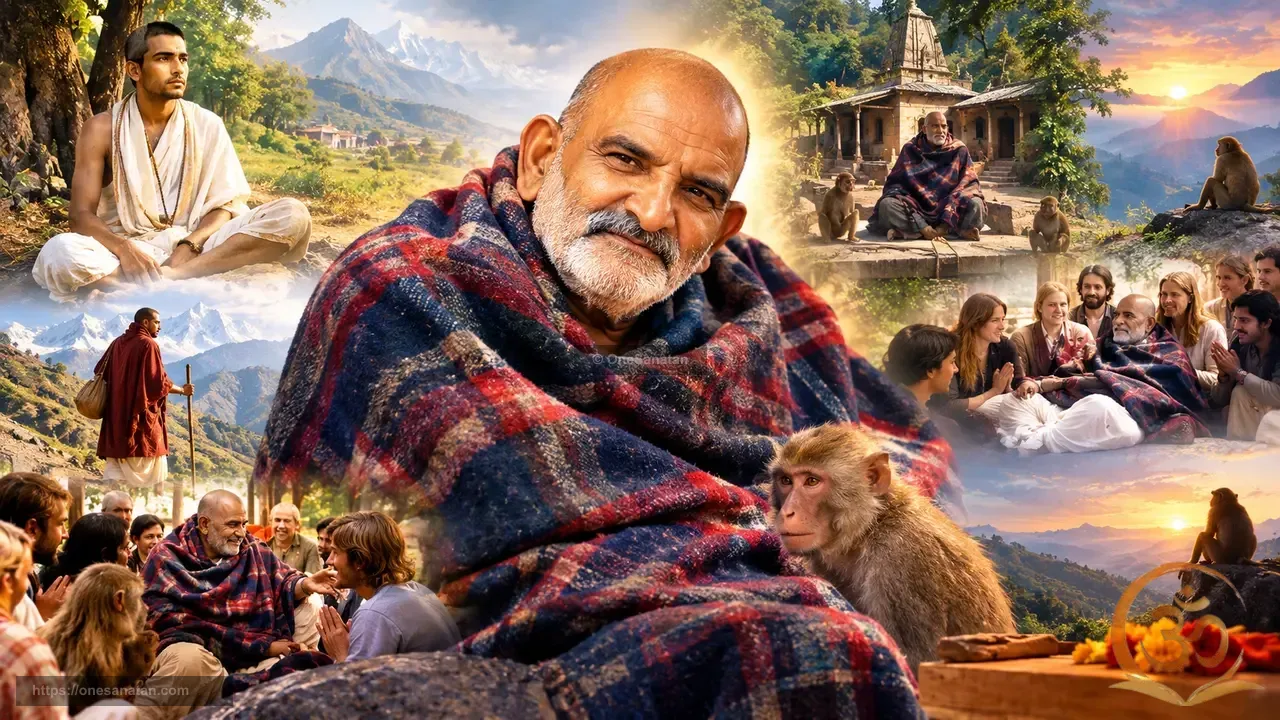
नीम करौली बाबा, जिन्हें नीब करौरी बाबा और महाराज-जी के नाम से भी जाना जाता है, 20वीं सदी के एक श्रद्धेय हिंदू संत और भगवान हनुमान के भक्त थे। उनके जन्म का सटीक वर्ष निश्चित रूप से दर्ज नहीं है, लेकिन सामान्यतः इसे लगभग 1900 माना जाता है और उनका जन्म नाम लक्ष्मण नारायण शर्मा बताया जाता है। उनका विशेष संबंध उत्तराखंड स्थित कैंची धाम से रहा। उनकी शिक्षाओं में प्रेम, निःस्वार्थ सेवा, दूसरों को भोजन कराना और ईश्वर का स्मरण प्रमुख थे। उनके शिष्य राम दास जैसे लोगों के माध्यम से उनकी शिक्षाएं पश्चिमी देशों तक भी पहुंचीं।
Neem Karoli Baba, also known as Neeb Karori Baba or Maharaj-ji, was a revered Hindu saint and devotee of Lord Hanuman who lived in North India during the 20th century. His exact birth year is generally given as around 1900, while his birth name is commonly recorded as Lakshman Narayan Sharma. He became especially associated with Kainchi Dham in Uttarakhand and was remembered for simple teachings centred on love, selfless service, feeding others and remembrance of God. His influence later reached many people in the West through devotees such as Ram Dass.
Overview
नीम करौली बाबा, जिन्हें उनके भक्त प्रेम से महाराज-जी कहते हैं, 20वीं सदी में हिमालयी क्षेत्र से जुड़े प्रसिद्ध हिंदू संतों में माने जाते हैं। उन्होंने कोई बड़ा दार्शनिक ग्रंथ नहीं लिखा और न ही किसी औपचारिक पाठशाला के माध्यम से अपनी शिक्षाओं का प्रचार किया। उनके जीवन की पहचान सरलता, भगवान हनुमान के प्रति गहरी भक्ति, सेवा और व्यक्तिगत आध्यात्मिक मार्गदर्शन से बनी। 1967 में अमेरिकी आध्यात्मिक शिक्षक राम दास के उनसे मिलने के बाद उनकी शिक्षाएं पश्चिमी दुनिया में भी व्यापक रूप से जानी गईं। उत्तराखंड की कुमाऊं पहाड़ियों में स्थित कैंची धाम उनके जीवन और परंपरा से गहराई से जुड़ा प्रमुख तीर्थ स्थल है।
Neem Karoli Baba, affectionately called Maharaj-ji by his devotees, became one of the best-known Hindu saints associated with the Himalayan region in the 20th century. He did not become famous because of a large body of written philosophy or a formal institution of teaching. Instead, people remembered his simple way of living, his devotion to Hanuman, his emphasis on service and the personal spiritual guidance he gave to devotees. His life also became known internationally through Ram Dass, the American spiritual teacher who met him in India in 1967. Kainchi Dham, the ashram in the Kumaon hills associated closely with Baba, remains an important place of pilgrimage and devotion.
नीम करौली बाबा कौन थे?
Who Was Neem Karoli Baba?
नीम करौली बाबा एक हिंदू संत और आध्यात्मिक गुरु थे, जिनका जीवन भक्ति और प्रेमपूर्ण ईश्वर-स्मरण की परंपरा से जुड़ा रहा। उनका जन्म नाम सामान्यतः लक्ष्मण नारायण शर्मा बताया जाता है और उनका जन्म लगभग 1900 के आसपास वर्तमान उत्तर प्रदेश के अकबरपुर में माना जाता है। उनके प्रारंभिक जीवन से जुड़े विवरण बहुत विस्तार से उपलब्ध नहीं हैं और अलग-अलग जीवनियों में कुछ अंतर मिलता है। बाद में वे बाबा लक्ष्मण दास और फिर नीम करौली बाबा या नीब करौरी बाबा के नाम से प्रसिद्ध हुए। उनके भक्त उन्हें प्रेम से महाराज-जी कहते थे। वे भगवान हनुमान के परम भक्त माने जाते थे और उनके आश्रमों की आध्यात्मिक परंपरा में हनुमान भक्ति का विशेष स्थान रहा।
Neem Karoli Baba was a Hindu saint and spiritual teacher whose life was closely associated with bhakti, the path of loving devotion. His birth name is commonly recorded as Lakshman Narayan Sharma, and accounts generally place his birth around 1900 in Akbarpur in present-day Uttar Pradesh. Details of his early life are not recorded with the same certainty as those of many modern public figures, so different biographies contain variations. He later became known as Baba Lakshman Das and eventually as Neem Karoli Baba or Neeb Karori Baba. His devotees commonly called him Maharaj-ji. He was deeply devoted to Lord Hanuman, and Hanuman worship remained an important part of the spiritual atmosphere surrounding his ashrams.
सरल जीवन और भ्रमण की साधना
A Life of Simplicity and Wandering
नीम करौली बाबा के प्रारंभिक आध्यात्मिक जीवन की जानकारी मुख्य रूप से भक्तों द्वारा सुरक्षित की गई जीवनियों और संस्मरणों से मिलती है, क्योंकि उन्होंने स्वयं कोई विस्तृत आत्मकथा या व्यवस्थित दार्शनिक ग्रंथ नहीं छोड़ा। उनके बारे में बताया जाता है कि उन्होंने एक समय बाबा लक्ष्मण दास के रूप में घूमते हुए साधु का जीवन बिताया। कुछ विवरणों में यह भी मिलता है कि वे कुछ समय के लिए पारिवारिक जीवन में लौटे और बाद में फिर अपनी आध्यात्मिक यात्रा पर चले गए। यह जीवन-यात्रा महत्वपूर्ण है क्योंकि उन्हें किसी एक औपचारिक मठवासी व्यवस्था में सीमित करना कठिन है। उन्होंने कोई अलग दार्शनिक संप्रदाय स्थापित नहीं किया। उनका प्रभाव व्यक्तिगत संबंधों, भक्ति, उनके आचरण की स्मृतियों और उनके साथ जुड़े आश्रमों के माध्यम से आगे बढ़ा।
Much of Neem Karoli Baba's early spiritual life is known through biographies and accounts preserved by devotees rather than through his own writings. He is described as having spent periods as a wandering sadhu and as Baba Lakshman Das. Accounts also describe him returning to family life for a period before continuing his spiritual journey. This combination of family life, wandering and spiritual practice is important because it shows why his tradition is not easily reduced to a single formal monastic model. He did not leave behind a systematic philosophical school. Instead, his influence developed through personal relationships, devotional practice, stories of his conduct and the communities that grew around the places connected with him.
कैंची धाम और भगवान हनुमान से उनका संबंध
Kainchi Dham and His Connection with Hanuman
उत्तराखंड की कुमाऊं पहाड़ियों में स्थित कैंची धाम नीम करौली बाबा से सबसे अधिक जुड़ा हुआ स्थान है। यह आश्रम भगवान हनुमान को समर्पित मंदिर के आसपास विकसित हुआ और बाबा के जीवन के अंतिम वर्षों में भक्ति का एक महत्वपूर्ण केंद्र बना। कैंची धाम के मुख्य हनुमान मंदिर की प्राण-प्रतिष्ठा 15 जून 1964 को हुई थी। इसी दिन को आज भी भक्त वार्षिक कैंची धाम भंडारे के रूप में स्मरण करते हैं। कैंची नाम आसपास की उन पहाड़ियों के आकार से जुड़ा है जो कैंची जैसी आकृति बनाती हैं। भक्तों के लिए इस स्थान का महत्व केवल इसकी प्राकृतिक सुंदरता में नहीं है, बल्कि यह हनुमान भक्ति, ईश्वर-स्मरण, सामुदायिक भावना और सेवा की उस परंपरा का प्रतीक है जिससे बाबा का जीवन जुड़ा रहा।
Kainchi Dham in the Kumaon hills of Uttarakhand is the place most closely associated with Neem Karoli Baba. The ashram developed around a Hanuman temple and became an important centre of devotion during the later part of Baba's life. The main Hanuman temple at Kainchi Dham was consecrated on 15 June 1964, a date that is remembered every year by devotees during the Kainchi Dham bhandara. The name Kainchi refers to the shape of the surrounding hills, which meet in a form resembling scissors. For devotees, however, the importance of the place is not simply its mountain setting. It represents Baba's emphasis on Hanuman bhakti, remembrance of God, community and service.
उनकी मुख्य शिक्षाएं: प्रेम, सेवा और ईश्वर-स्मरण
His Central Teachings: Love, Service and Remembrance
नीम करौली बाबा से जुड़ी शिक्षाएं अपनी सरलता के कारण विशेष रूप से याद की जाती हैं। भक्तों के संस्मरणों में बार-बार सभी से प्रेम करने, दूसरों की सेवा करने, ईश्वर का स्मरण रखने और सत्य बोलने का संदेश मिलता है। इन बातों को किसी जटिल दार्शनिक व्यवस्था के बजाय भक्ति के व्यावहारिक रूप के रूप में समझा जा सकता है। प्रेम का अर्थ केवल भावनात्मक लगाव नहीं, बल्कि व्यक्ति की सामाजिक स्थिति से परे उसके प्रति करुणा रखना है। सेवा का अर्थ दूसरों की सहायता करना है, बिना व्यक्तिगत प्रसिद्धि को मुख्य उद्देश्य बनाए। ईश्वर का स्मरण आध्यात्मिक चेतना को रोजमर्रा के जीवन से जोड़ता है। बाबा से जुड़े आश्रमों और भक्त समुदायों में लोगों को भोजन कराना भी सेवा का महत्वपूर्ण रूप रहा। इस प्रकार उनकी भक्ति केवल पूजा तक सीमित नहीं थी, बल्कि दया, उदारता और सेवा से जुड़ी थी।
The teachings associated with Neem Karoli Baba are striking because of their simplicity. Devotee accounts repeatedly preserve the message to love everyone, serve others, remember God and speak the truth. These ideas can be understood as practical expressions of bhakti rather than as a complicated philosophical system. Love means treating people with compassion rather than judging their social position. Service means helping others without making personal recognition the main purpose. Remembering God keeps spiritual awareness connected with ordinary daily life. Feeding people was also an important expression of service in the communities associated with Baba. His message therefore connected devotion with action: prayer was not meant to remain separate from kindness, generosity and service.
नीम करौली बाबा और राम दास
Neem Karoli Baba and Ram Dass
भारत के बाहर नीम करौली बाबा की प्रसिद्धि बढ़ने का एक महत्वपूर्ण कारण उनके शिष्य राम दास से उनका संबंध था। राम दास का जन्म रिचर्ड अल्पर्ट के रूप में हुआ था और वे हार्वर्ड में मनोविज्ञान के प्रोफेसर रह चुके थे। 1967 में भारत की यात्रा के दौरान उनकी मुलाकात नीम करौली बाबा से हुई। इस मुलाकात का उनके आध्यात्मिक जीवन पर गहरा प्रभाव पड़ा। बाद में वे राम दास के नाम से प्रसिद्ध हुए और उन्होंने 1971 में Be Here Now नामक पुस्तक प्रकाशित की। इस पुस्तक के माध्यम से अनेक पश्चिमी पाठकों को ध्यान, भारतीय आध्यात्मिक विचारों और अपने गुरु के साथ उनके व्यक्तिगत अनुभवों से परिचित होने का अवसर मिला। राम दास की पुस्तकों और बाद की शिक्षाओं ने नीम करौली बाबा से जुड़ी कथाओं और शिक्षाओं को व्यापक पश्चिमी दर्शकों तक पहुंचाया। इन संस्मरणों को बाबा के पश्चिमी प्रभाव को समझने के लिए महत्वपूर्ण माना जा सकता है, लेकिन इनमें वर्णित व्यक्तिगत आध्यात्मिक अनुभवों को भक्तों के अनुभव के रूप में समझना उचित है, न कि स्वतंत्र रूप से प्रमाणित ऐतिहासिक घटनाओं के रूप में।
One of the most important reasons Neem Karoli Baba became known outside India was his relationship with Ram Dass, who was born Richard Alpert and had worked as a psychology professor at Harvard. Alpert travelled to India in 1967 and met Neem Karoli Baba during that journey. The encounter had a profound influence on his spiritual life. He later became known as Ram Dass and published Be Here Now in 1971. The book introduced many Western readers to meditation, Indian spiritual ideas and the personal account of his relationship with his guru. Ram Dass's writings and later teaching helped carry stories and teachings associated with Neem Karoli Baba to a much wider audience. These accounts are important historical sources for understanding Baba's influence in the West, although they also contain personal spiritual experiences that should be understood as the experiences of devotees rather than independently verified historical events.
चमत्कार और भक्तों की कथाएं
Miracles and Devotee Stories
नीम करौली बाबा को चमत्कारों और असाधारण आध्यात्मिक अनुभवों से जुड़ी अनेक भक्त कथाओं के कारण भी याद किया जाता है। भक्तों ने ऐसे प्रसंगों का वर्णन किया है जिनमें असामान्य जानकारी, अप्रत्याशित घटनाएं या ऐसी अनुभूतियां शामिल हैं जिन्हें उन्होंने ईश्वरीय कृपा के रूप में समझा। महाराज-जी की भक्ति परंपरा में इन कथाओं का महत्वपूर्ण स्थान है और वे यह समझने में मदद करती हैं कि अनेक भक्तों की उनके प्रति इतनी गहरी श्रद्धा क्यों बनी। हालांकि, ऐसी अधिकांश कथाएं मौखिक परंपराओं, संस्मरणों और भक्तिपरक विवरणों के रूप में संरक्षित हैं। इसलिए इन्हें भक्तों द्वारा बताए गए अनुभवों के रूप में प्रस्तुत करना अधिक उचित है, न कि वैज्ञानिक या ऐतिहासिक रूप से सिद्ध तथ्यों के रूप में। इससे इन कथाओं का धार्मिक महत्व कम नहीं होता; यह केवल आस्था और स्वतंत्र रूप से प्रमाणित तथ्य के बीच अंतर स्पष्ट करता है।
Neem Karoli Baba is often remembered as a saint associated with stories of miracles and extraordinary spiritual experiences. Devotees have described incidents involving unusual knowledge, unexpected events and experiences they interpreted as divine grace. Such stories form an important part of the devotional tradition surrounding Maharaj-ji and help explain the deep faith many followers developed in him. At the same time, these accounts are primarily preserved as oral histories, memoirs and devotional narratives. They should therefore be presented as reported experiences rather than as scientifically established facts. This distinction does not reduce their religious importance for believers. It simply separates faith-based testimony from claims that can be independently verified through historical or scientific evidence.
अंतिम वर्ष और स्थायी विरासत
His Final Years and Lasting Legacy
नीम करौली बाबा ने अपने जीवन के अंतिम वर्षों का काफी समय कैंची और उत्तर भारत के अन्य भक्ति केंद्रों से जुड़े रहकर बिताया। 11 सितंबर 1973 को गंभीर रूप से अस्वस्थ होने के बाद उनका देहावसान हुआ। उनकी समाधि वृंदावन स्थित आश्रम से जुड़ी हुई है। उनके निधन के बाद भी उनसे जुड़े आश्रमों और भक्त समुदायों ने उनकी भक्ति परंपरा को आगे बढ़ाया। कैंची धाम विशेष रूप से एक महत्वपूर्ण तीर्थ स्थल के रूप में विकसित हुआ, जहां लोग प्रार्थना, हनुमान भक्ति, ईश्वर-स्मरण और सेवा की भावना से आते हैं। राम दास और अन्य भक्तों ने अपने अनुभवों और व्याख्याओं के माध्यम से उनकी शिक्षाओं को नई पीढ़ियों और पश्चिमी दर्शकों तक भी पहुंचाया। आज नीम करौली बाबा को किसी औपचारिक लिखित सिद्धांत से अधिक उनके सरल आध्यात्मिक संदेश के लिए याद किया जाता है—प्रेम करो, सेवा करो, ईश्वर का स्मरण करो और सत्य के साथ जीवन जियो।
Neem Karoli Baba spent much of the later period of his life connected with Kainchi and other places of devotion in North India. He left his physical body on 11 September 1973 after becoming seriously ill while travelling in the region. His samadhi is associated with the Vrindavan ashram. After his death, the communities and ashrams connected with him continued to preserve his devotional tradition. Kainchi Dham became an especially important pilgrimage centre, drawing visitors who come for prayer, Hanuman worship, remembrance and service. His wider legacy also continued through devotees such as Ram Dass and others who shared their experiences and interpreted his teachings for new audiences. Today, Neem Karoli Baba is remembered less for a formal written doctrine and more for a simple spiritual message: love, serve, remember God and live truthfully.
Frequently Asked Questions
Neem Karoli Baba, also called Neeb Karori Baba and Maharaj-ji, was a Hindu saint and devotee of Lord Hanuman who lived mainly in North India during the 20th century. He became closely associated with Kainchi Dham in Uttarakhand and was remembered for teachings centred on love, service, feeding others and remembering God.
His birth name is commonly recorded as Lakshman Narayan Sharma. His birth year is generally given as around 1900, although detailed records of his early life are limited and different accounts contain some variations.
The teachings most often associated with Neem Karoli Baba emphasise loving everyone, serving others, remembering God and living truthfully. These principles express the practical side of bhakti, where devotion is reflected through everyday compassion and selfless action.
Kainchi Dham in Uttarakhand is closely associated with Neem Karoli Baba and Lord Hanuman. The main Hanuman temple there was consecrated in 1964. The ashram became an important centre of devotion during Baba's lifetime and continues to attract pilgrims who come for prayer, worship and spiritual reflection.
Many devotees have preserved stories of miracles and extraordinary experiences associated with Neem Karoli Baba. These stories are an important part of his devotional tradition, but they are best described as reported experiences of devotees rather than independently verified scientific facts.
Ram Dass, born Richard Alpert, was an American psychologist and spiritual teacher who met Neem Karoli Baba in India in 1967. He became one of Baba's best-known Western devotees and later wrote Be Here Now, a book that helped introduce Indian spiritual ideas and his experiences with Maharaj-ji to a broad Western audience.
Cultural Significance
Neem Karoli Baba occupies a distinctive place in modern Hindu devotional history because his influence developed through personal relationships, ashrams, seva and bhakti rather than through a large written body of philosophy. Kainchi Dham has become a recognised pilgrimage destination in Uttarakhand, while the writings and teachings of Ram Dass helped introduce Baba's spiritual legacy to a large Western audience. His continuing appeal reflects the universal language of his teachings: compassion, service, devotion and remembrance of God. For devotees, his connection with Hanuman represents a path of surrender, strength and loving service. For students of modern Hinduism, his life also illustrates how Indian devotional traditions travelled across cultural boundaries during the 20th century.
Disclaimer
The content provided on this page is for educational and informational purposes only. OneSanatan makes no claims or guarantees regarding spiritual results, historical absolute accuracy, or religious outcomes. We are not responsible or liable for any personal interpretations or actions taken based on this information.
Explore More Panchang Modules
Continue Reading