Who was Sai Baba of Shirdi? - शिरडी के साईं बाबा कौन थे?
Learn about Sai Baba of Shirdi, the revered Indian saint known for his teachings of Shraddha, Saburi, selfless service, compassion and the message Sabka Malik Ek.
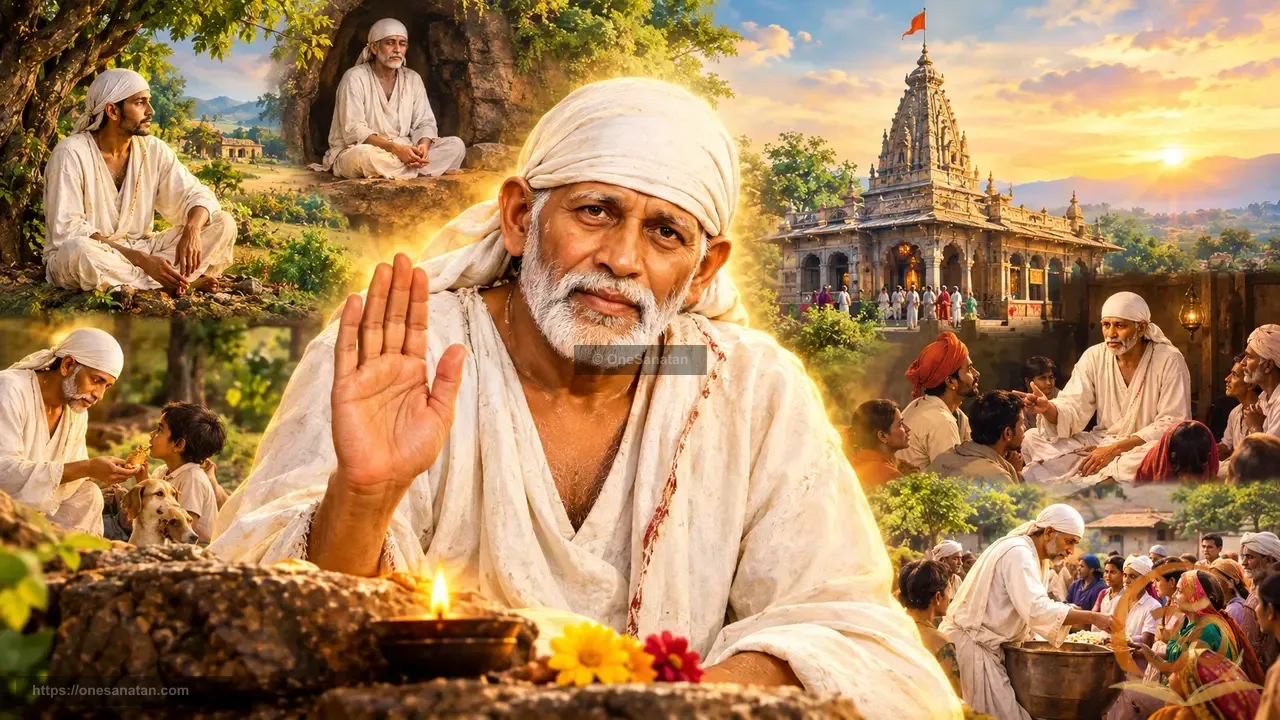
शिरडी के साईं बाबा एक श्रद्धेय भारतीय संत थे, जिन्होंने अपने जीवन का अधिकांश समय महाराष्ट्र के शिरडी में बिताया और 1918 में देह त्याग किया। उनके जन्म, परिवार और प्रारंभिक जीवन के बारे में निश्चित ऐतिहासिक जानकारी उपलब्ध नहीं है। उन्होंने श्रद्धा, सबूरी, करुणा, दान, निःस्वार्थ सेवा और ईश्वर-भक्ति पर जोर दिया। वे जिस मस्जिद में रहते थे, उसे द्वारकामाई कहा जाता था और वहां हिंदू तथा मुस्लिम दोनों परंपराओं के प्रति सम्मान दिखाई देता था। 'सबका मालिक एक' का उनका संदेश उन्हें धार्मिक सद्भाव का महत्वपूर्ण प्रतीक बनाता है।
Sai Baba of Shirdi was a revered Indian saint who lived in Shirdi in Maharashtra for much of his life and passed away in 1918. His birth, family background and early life remain uncertain, and no reliable historical record establishes his exact birthplace or date of birth. He taught faith, patience, compassion, charity, selfless service and devotion to God. Living in a mosque that he called Dwarkamai while accepting both Hindu and Muslim devotional traditions, he became a powerful symbol of religious harmony. His teachings are remembered through the simple message 'Sabka Malik Ek' — there is one God for all.
Overview
कल्पना कीजिए कि आज से एक सदी से भी पहले महाराष्ट्र के एक छोटे से गांव में एक रहस्यमय फकीर एक पुरानी मस्जिद में रहता है, वहां धूनी जलाता है, अलग-अलग धर्मों के लोगों से मिलता है और ईश्वर की ऐसी बात करता है जो धार्मिक सीमाओं से परे है। यही शिरडी के साईं बाबा का संसार था। उनके जन्म और बचपन के बारे में निश्चित जानकारी उपलब्ध नहीं है, लेकिन शिरडी में उनके बाद के जीवन को अनेक भक्तों ने देखा और भक्तिपरक साहित्य में दर्ज किया। वे अपनी सरल वेशभूषा, कभी-कभी रहस्यमय व्यवहार, गरीबों के प्रति करुणा और श्रद्धा के साथ सबूरी रखने की शिक्षा के लिए प्रसिद्ध हुए। उनका निवास द्वारकामाई ऐसा स्थान बन गया जहां अलग-अलग पृष्ठभूमि के लोग मार्गदर्शन के लिए आते थे। उनके देहावसान के एक शताब्दी से अधिक समय बाद भी शिरडी भारत के प्रमुख तीर्थ स्थलों में गिना जाता है।
Imagine walking into a small village in Maharashtra more than a century ago and finding a mysterious fakir living in an old mosque, maintaining a sacred fire, accepting offerings from people of different faiths and speaking about God in language that crossed religious boundaries. That was the world of Sai Baba of Shirdi. Very little is known with certainty about his birth or early childhood, yet his later life in Shirdi was witnessed by many devotees and recorded in devotional literature. He became known for his simple appearance, unpredictable ways, compassion for the poor and his insistence that faith must be accompanied by patience and good conduct. His home, Dwarkamai, became a place where people from different backgrounds came seeking guidance. More than a century after his death, Shirdi remains one of India's major pilgrimage centres.
साईं बाबा के प्रारंभिक जीवन का रहस्य
The Mystery of Sai Baba's Early Life
साईं बाबा के जीवन की सबसे रहस्यमय बातों में से एक उनकी शुरुआत है। उनकी जन्मतिथि, जन्मस्थान, माता-पिता, परिवार और प्रारंभिक शिक्षा के बारे में विश्वसनीय ऐतिहासिक प्रमाण उपलब्ध नहीं हैं। शिरडी साईं संस्थान भी बताता है कि उनके जन्म और परिवार के बारे में कई बार जानकारी प्राप्त करने का प्रयास किया गया, लेकिन कोई निश्चित जानकारी नहीं मिल सकी। भक्तिपरक स्रोतों में उनके प्रारंभिक जीवन और आध्यात्मिक प्रशिक्षण को लेकर अलग-अलग परंपराएं मिलती हैं, लेकिन उन्हें निश्चित ऐतिहासिक तथ्य मानना उचित नहीं है। इसके विपरीत, शिरडी में उनकी उपस्थिति के बारे में अधिक सामग्री उपलब्ध है। संस्थान से जुड़ी परंपरा के अनुसार, वे पहली बार एक युवा व्यक्ति के रूप में शिरडी में नीम के पेड़ के नीचे दिखाई दिए। कुछ समय बाद वे वहां से चले गए और फिर लौटकर अपने जीवन का अधिकांश भाग शिरडी में बिताया।
One of the most unusual things about Sai Baba is how little is known with certainty about his beginnings. His birth date, birthplace, parents, family and early education have not been established through reliable historical records. The Shirdi Sai Sansthan itself notes that repeated attempts were made to learn about his origins, but no convincing information was obtained. Devotional sources contain different traditions about his early life and spiritual training, but these accounts should not be treated as settled historical facts. What is much better documented is his presence in Shirdi. According to the traditional account preserved by the Sansthan, he first appeared there as a young man under a neem tree. He later left the village for a period and eventually returned, remaining in Shirdi for the rest of his life.
उन्हें साईं बाबा नाम कैसे मिला?
How Did He Get the Name Sai Baba?
आज करोड़ों लोग जिस नाम से उन्हें जानते हैं, वह जरूरी नहीं कि उनका जन्म नाम रहा हो। शिरडी साईं संस्थान से जुड़ी परंपरा के अनुसार, जब एक विवाह मंडली के साथ वह युवा फकीर शिरडी वापस आए, तब खंडोबा मंदिर के पास भक्त म्हालसापति ने उनका स्वागत 'या साईं' कहकर किया। इसके बाद वे साईं नाम से पहचाने जाने लगे और भक्त उन्हें सम्मान से साईं बाबा कहने लगे। 'बाबा' शब्द में स्नेह और सम्मान दोनों का भाव था। समय के साथ यह सरल नाम स्वयं शिरडी की पहचान का हिस्सा बन गया। इसलिए उन्हें शिरडी के साईं बाबा कहना केवल स्थान बताना नहीं है; शिरडी उनके आध्यात्मिक जीवन का मुख्य केंद्र बन गया था।
The name by which millions know him today was not necessarily the name he was born with. According to the traditional account preserved by the Shirdi Sansthan, when the young fakir returned to Shirdi with a wedding party, the devotee Mhalsapati welcomed him near the Khandoba temple with the words 'Ya Sai', meaning a respectful greeting to the fakir. The name Sai then became associated with him, and devotees gradually began calling him Sai Baba. The word Baba expressed affection and respect. Over time, the simple name became inseparable from the village of Shirdi itself. This is one reason it is useful to call him Sai Baba of Shirdi: Shirdi was not merely the place where he became famous; it became the central setting of his spiritual life.
द्वारकामाई: वह मस्जिद जो आध्यात्मिक घर बन गई
Dwarkamai: The Mosque That Became a Spiritual Home
साईं बाबा ने अपने जीवन का एक बड़ा हिस्सा एक पुरानी मस्जिद में बिताया, जिसे बाद में द्वारकामाई कहा जाने लगा। इसका नाम अपने आप में विशेष है, क्योंकि यह स्थान मस्जिद था, जबकि 'द्वारका' शब्द भगवान कृष्ण से जुड़ी हिंदू परंपरा की याद दिलाता है। बाबा के व्यवहार में उनके पास आने वाले लोगों के बीच कठोर धार्मिक सीमाएं खींचने की प्रवृत्ति दिखाई नहीं देती। वहां धूनी नामक पवित्र अग्नि जलती रहती थी और बाबा उसकी भस्म यानी उदी भक्तों को देते थे। साथ ही वे अल्लाह का नाम भी लेते थे। यही मेल उनके आध्यात्मिक व्यक्तित्व की प्रमुख विशेषताओं में से एक बना। द्वारकामाई ऐसा स्थान बन गया जहां व्यक्ति अपनी धार्मिक पहचान छोड़े बिना भक्ति, सेवा, प्रार्थना और मानवीय संबंधों का अनुभव कर सकता था।
Sai Baba spent much of his life in an old mosque that came to be known as Dwarkamai. The name itself is striking because the building was a mosque, while the word Dwarka strongly evokes the Hindu tradition associated with Lord Krishna. Baba did not appear interested in maintaining a strict religious boundary between the people who came to him. A sacred fire, known as the Dhuni, burned there, and he distributed its ash, Udi, to devotees. At the same time, the name of Allah was frequently on his lips. This combination became one of the defining features of his spiritual personality. Dwarkamai was not presented as a place where people had to abandon their religious identity. Instead, it became a meeting place where devotion, charity, prayer and human fellowship could exist together.
श्रद्धा और सबूरी: उनकी दो सबसे प्रसिद्ध शिक्षाएं
Shraddha and Saburi: His Two Most Remembered Teachings
साईं बाबा की दो सबसे प्रसिद्ध शिक्षाएं 'श्रद्धा' और 'सबूरी' हैं। श्रद्धा का अर्थ विश्वास, भरोसा और सच्ची भक्ति से है। सबूरी का अर्थ धैर्य, सहनशीलता और विश्वास बनाए रखते हुए प्रतीक्षा करने की क्षमता है। दोनों को साथ रखने पर एक व्यावहारिक आध्यात्मिक शिक्षा सामने आती है। धैर्य के बिना श्रद्धा जीवन में कठिन समय आने पर निराशा में बदल सकती है। वहीं श्रद्धा के बिना धैर्य केवल निष्क्रिय प्रतीक्षा बन सकता है। बाबा की शिक्षा इन दोनों को साथ रखती है—ईश्वर पर विश्वास रखते हुए स्थिरता और सही आचरण के साथ जीवन जीना। यही कारण है कि यह संदेश केवल धार्मिक जीवन तक सीमित नहीं लगता। बीमारी, आर्थिक कठिनाई, अनिश्चितता या व्यक्तिगत समस्याओं से जूझते लोग अक्सर तुरंत समाधान चाहते हैं, जबकि बाबा की शिक्षा विश्वास, धैर्य और जिम्मेदार आचरण को साथ लेकर चलने की बात करती है।
Two words are especially closely associated with Sai Baba: Shraddha and Saburi. Shraddha means faith, trust or sincere devotion. Saburi means patience, endurance and the ability to wait without losing faith. Together they form a practical spiritual lesson. Faith without patience can become frustration when life does not change quickly. Patience without faith can become passive waiting. Baba's teaching brought the two together: trust in God while continuing to live with steadiness and right conduct. This message explains why his teachings remain relevant even outside a purely religious setting. People facing uncertainty, illness, financial difficulty or personal problems often look for immediate answers, while Baba's teaching points toward faith combined with patience and responsible action.
सबका मालिक एक: ईश्वर एक, मार्ग अनेक
Sabka Malik Ek: One God, Many Paths
'सबका मालिक एक' साईं बाबा से सबसे अधिक जुड़ी हुई शिक्षाओं में से एक है। इसका सरल अर्थ है कि सभी का स्वामी या ईश्वर एक है। बाबा के जीवन में इस विचार का व्यावहारिक रूप दिखाई देता है। वे मस्जिद में रहते थे, हिंदू भक्ति परंपराओं का सम्मान करते थे, अल्लाह का नाम लेते थे और अलग-अलग समुदायों के लोगों से मिलते थे। उनका संदेश इस बात पर जोर नहीं देता था कि किस धार्मिक पहचान को दूसरे से श्रेष्ठ सिद्ध किया जाए। इसके बजाय वे मनुष्य के बाहरी भेदों के पीछे मौजूद ईश्वर की ओर ध्यान दिलाते थे। इसी कारण हिंदू, मुस्लिम और अन्य समुदायों के अनेक लोग उन्हें श्रद्धा से याद करते हैं। उनसे जुड़े कथनों के शब्द और संदर्भ अलग-अलग भक्तिपरक स्रोतों में कुछ भिन्न मिल सकते हैं, लेकिन धार्मिक सद्भाव का व्यापक संदेश उनके जीवन और शिक्षाओं से लगातार जुड़ा हुआ है।
The phrase 'Sabka Malik Ek' is one of the sayings most strongly associated with Sai Baba. It can be understood simply as 'There is one Master of all' or 'God is one.' Baba's life gave this idea a practical setting. He lived in a mosque, respected Hindu devotional practices, spoke of Allah and accepted people from different communities. His message did not require people to win arguments about which religious label was superior. Instead, it directed attention toward the divine reality behind human differences. This is why Sai Baba has been remembered by Hindu, Muslim and other devotees alike. The exact wording and context of sayings attributed to him vary across devotional sources, but the broad theme of religious harmony is consistently associated with his life and teachings.
साईं बाबा दक्षिणा क्यों लेते थे?
Why Did Sai Baba Take Dakshina?
साईं बाबा अक्सर भक्तों से दक्षिणा मांगते थे, जो सामान्यतः धन के रूप में होती थी। पहली नजर में यह बात एक त्यागी संत के जीवन से अलग लग सकती है। हालांकि साईं साहित्य में संरक्षित विवरणों के अनुसार दक्षिणा केवल धन जमा करने का साधन नहीं थी। बाबा उस धन का उपयोग दान और जरूरतमंदों की सहायता में करते थे। दक्षिणा से जुड़ा आध्यात्मिक अर्थ आसक्ति छोड़ने से भी संबंधित था। भक्त से कुछ देने को कहा जाता था और देना अपने अधिकार-बोध तथा संग्रह की भावना को कम करने का अभ्यास बन सकता था। बाबा के जीवन के विवरणों में वे धन को निजी संपत्ति के रूप में जमा करने वाले व्यक्ति के रूप में नहीं दिखाई देते। उनके पास आने वाला धन अक्सर दूसरों की सहायता और दैनिक आवश्यकताओं में खर्च होता था। इस दृष्टि से उनकी दान की शिक्षा केवल शब्दों तक सीमित नहीं थी; वह व्यक्ति के धन और वस्तुओं के प्रति व्यवहार से भी जुड़ी थी।
Sai Baba often asked devotees for Dakshina, usually in the form of money. At first glance, this can seem surprising for a saint known for renunciation. In the accounts preserved in Sai literature, however, Dakshina was not simply a way of accumulating wealth. Baba frequently used money for charity and for helping people around him. The spiritual meaning attached to Dakshina was also connected with letting go of attachment. A devotee was asked to give, and giving could become a practical exercise in overcoming possessiveness. Baba was not known for maintaining a personal store of wealth or living like a wealthy religious leader. Accounts of his life describe money coming into his hands and being distributed or spent rather than accumulated as personal property. This aspect of his life makes his teaching about charity more concrete: devotion was expected to affect how a person treated material possessions.
उदी और पवित्र धूनी
Udi and the Sacred Dhuni
द्वारकामाई की धूनी साईं बाबा की परंपरा की सबसे पहचान योग्य विशेषताओं में से एक है। बाबा इस पवित्र अग्नि को जलाए रखते थे और उससे प्राप्त भस्म, जिसे उदी कहा जाता है, भक्तों को देते थे। भक्तों के लिए उदी बाबा के आशीर्वाद और कृपा का स्पर्शनीय प्रतीक बन गई। उदी की आध्यात्मिक व्याख्या जीवन की अनित्यता की ओर भी संकेत करती है—भौतिक वस्तुएं अंततः राख में बदल जाती हैं, इसलिए मनुष्य को संसार की अस्थायी वस्तुओं से अत्यधिक आसक्त नहीं होना चाहिए। भक्तिपरक साहित्य में उदी से बीमारी या कठिनाई दूर होने की अनेक कथाएं मिलती हैं। ये कथाएं साईं भक्ति का महत्वपूर्ण हिस्सा हैं, लेकिन इन्हें चिकित्सा प्रमाण के रूप में नहीं बल्कि धार्मिक और भक्तिपरक अनुभवों के रूप में समझना चाहिए। शिरडी में आज भी उदी देने की परंपरा जारी है और यह साईं बाबा से जुड़ी सबसे पहचान योग्य परंपराओं में से एक है।
The Dhuni in Dwarkamai is one of the most recognisable parts of Sai Baba's tradition. Baba maintained the sacred fire and distributed the ash from it, known as Udi, to visitors. For devotees, Udi became a tangible symbol of Baba's blessings and grace. The spiritual interpretation of Udi also points toward impermanence: everything material eventually returns to ash, reminding a person not to become completely attached to the temporary world. Devotee literature contains many stories in which Udi is said to have helped people suffering from illness or difficulty. These stories are central to Sai devotion, but they should be understood as religious and devotional accounts rather than as medical evidence that Udi can cure disease. The practice of giving Udi continues at Shirdi and remains one of the most recognisable traditions associated with Sai Baba.
चावड़ी और शिरडी की जीवित परंपरा
The Chavadi and the Living Tradition of Shirdi
चावड़ी भी साईं बाबा के दैनिक जीवन से जुड़ा महत्वपूर्ण स्थान था। उनके जीवन के अंतिम वर्षों में वे एक दिन छोड़कर वहां रात बिताते थे। शुरुआत में यह व्यवस्था खराब मौसम जैसी व्यावहारिक परिस्थिति के कारण बनी, लेकिन बाद में यह शिरडी की भक्ति परंपरा का हिस्सा बन गई। द्वारकामाई और चावड़ी के बीच होने वाली यात्राएं संगीत, प्रार्थना और उत्सव का रूप लेने लगीं। बाबा के देहावसान के बाद भी ये परंपराएं जारी रहीं और शिरडी की तीर्थ संस्कृति का हिस्सा बन गईं। इसलिए चावड़ी केवल किसी ऐतिहासिक व्यक्ति से जुड़ी पुरानी इमारत नहीं है। यह दिखाती है कि किसी संत से जुड़े सामान्य स्थान भी लंबे समय तक स्मरण और पूजा के कारण पवित्र तीर्थ बन सकते हैं। आज शिरडी आने वाले भक्तों के लिए द्वारकामाई, चावड़ी और समाधि मंदिर मिलकर बाबा के जीवन और उनसे विकसित हुई भक्ति परंपरा की एक भौतिक यात्रा प्रस्तुत करते हैं।
Chavadi was another important place in Sai Baba's daily life. During the later years of his life, Baba spent alternate nights there. What began as a practical move during difficult weather eventually became part of the devotional routine of Shirdi. Processions between Dwarkamai and Chavadi became occasions for music, prayer and celebration. These traditions continued after Baba's death and became part of the living pilgrimage culture of Shirdi. The Chavadi is therefore more than an old building connected to a historical figure. It represents how ordinary places associated with a saint can become sacred through repeated acts of remembrance and worship. For visitors today, Dwarkamai, Chavadi and the Samadhi Mandir together form a physical journey through different parts of Baba's life and the devotional tradition that developed around him.
गरीबों और जरूरतमंदों के प्रति साईं बाबा की करुणा
Sai Baba's Compassion for the Poor and the Needy
साईं बाबा की आध्यात्मिकता रोजमर्रा की मानवीय जरूरतों से गहराई से जुड़ी थी। वे धन और सामाजिक स्थिति की परवाह किए बिना लोगों से मिलते थे और भोजन, धन या अन्य प्रकार की सहायता देते थे। वे स्वयं भी भोजन पकाते और उसे प्रसाद के रूप में बांटते थे। उनके जीवन में दान कोई अलग धार्मिक गतिविधि नहीं थी। उनके आचरण से यह संदेश मिलता है कि दूसरे मनुष्य की सहायता करना भी ईश्वर की सेवा का हिस्सा हो सकता है। उनकी शिक्षाओं को समझते समय यह बात महत्वपूर्ण है, क्योंकि इससे उनका संदेश केवल पूजा और प्रार्थना तक सीमित नहीं रह जाता। उनके जीवन में भक्ति के साथ उदारता, विनम्रता और सेवा जुड़ी हुई थी। शिरडी आने वाले सभी लोगों की अपेक्षाएं एक जैसी नहीं थीं। कुछ आध्यात्मिक मार्गदर्शन के लिए आते थे, कुछ व्यक्तिगत कठिनाइयों से राहत चाहते थे और कुछ केवल संत के दर्शन के लिए आते थे। उनके उत्तर में अक्सर व्यावहारिक सहायता के साथ श्रद्धा, धैर्य या वैराग्य की शिक्षा भी जुड़ी होती थी।
Sai Baba's spirituality was closely connected with everyday human needs. He interacted with people regardless of wealth or social position and was known for giving food, money or other forms of assistance. He also cooked food himself and distributed it as Prasad. Charity was not presented as something separate from spiritual life. For Baba, caring for another person was part of serving God. This is particularly important when studying his teachings because it prevents his message from being reduced to prayer alone. His way of life connected devotion with generosity, humility and service. The people who came to Shirdi did not all seek the same thing. Some came for spiritual guidance, some for relief from personal difficulties and some simply to meet the saint. His response often combined practical help with a lesson about faith, patience or detachment.
चमत्कारों की कथाएं: आस्था और ऐतिहासिक प्रमाण
The Stories of Miracles: Faith and Historical Evidence
चमत्कारों की कथाएं साईं बाबा की लोकप्रिय परंपरा का महत्वपूर्ण हिस्सा हैं। भक्तों ने उपचार, असामान्य जानकारी, संकट में सुरक्षा और ऐसी घटनाओं के विवरण सुरक्षित रखे हैं जिन्हें उन्होंने बाबा की आध्यात्मिक शक्ति का संकेत माना। इन कथाओं ने अनेक लोगों की श्रद्धा को मजबूत किया और आज भी शिरडी की मौखिक तथा लिखित भक्तिपरंपरा में उनका स्थान है। साथ ही, एक जिम्मेदार विवरण में भक्त के अनुभव और स्वतंत्र रूप से प्रमाणित ऐतिहासिक तथ्य के बीच अंतर रखना जरूरी है। किसी चमत्कार की कथा उस व्यक्ति के लिए गहरा धार्मिक अर्थ रख सकती है जिसने उसे अनुभव किया हो, लेकिन आज उसे वैज्ञानिक रूप से प्रमाणित करना संभव न हो। साईं बाबा का महत्व केवल इन कथाओं को सिद्ध करने पर निर्भर नहीं है। श्रद्धा, सबूरी, दान, समानता और ईश्वर-भक्ति जैसी उनकी शिक्षाओं का अध्ययन चमत्कारों के दावों से अलग भी किया जा सकता है। इस तरह आस्था और ऐतिहासिक ईमानदारी दोनों को साथ रखा जा सकता है।
Stories of miracles are an important part of Sai Baba's popular tradition. Devotees have preserved accounts of healing, unusual knowledge, protection during danger and events they understood as signs of Baba's spiritual power. These stories helped strengthen the faith of many followers and remain part of the oral and written devotional culture surrounding Shirdi. At the same time, a responsible account should distinguish between a devotee's testimony and independently verified historical evidence. A miracle story may have deep religious meaning for the person who experienced it without being something that can be scientifically demonstrated today. Sai Baba's importance does not depend entirely on proving every such story. His teachings on faith, patience, charity, equality and devotion can be studied separately from supernatural claims. This distinction allows both श्रद्धा and historical honesty to coexist.
साईं बाबा के अंतिम दिन और महासमाधि
Sai Baba's Final Days and Mahasamadhi
साईं बाबा के अंतिम दिन 1918 के पर्व काल में आए। 15 अक्टूबर 1918 को विजयादशमी के दिन शिरडी में उनका देहावसान हुआ। उनके पार्थिव शरीर को बापूसाहेब बूटी से जुड़े उस भवन में समाधि दी गई, जिसे मूल रूप से एक मंदिर के लिए तैयार किया जा रहा था। यही भवन बाद में समाधि मंदिर बना। साईं बाबा की वर्तमान प्रसिद्ध संगमरमर की मूर्ति कई दशकों बाद 1954 में स्थापित की गई। उनके देहावसान के बाद शिरडी की परंपरा समाप्त नहीं हुई, बल्कि और व्यापक हुई। समाधि मंदिर तीर्थयात्रा का मुख्य केंद्र बना, जबकि द्वारकामाई और चावड़ी उनके जीवन और दैनिक गतिविधियों के अन्य महत्वपूर्ण स्थलों को सुरक्षित रखते हैं। समाधि के बाद बाबा की आध्यात्मिक उपस्थिति बनी रहने का विश्वास भक्तों की आस्था का विषय है। ऐतिहासिक रूप से स्पष्ट रूप से देखा जा सकता है कि उनके देहावसान के बाद शिरडी एक अत्यंत महत्वपूर्ण तीर्थ केंद्र के रूप में विकसित हुआ।
Sai Baba's final days came during the festival period of 1918. He passed away on 15 October 1918, the day of Vijayadashami, in Shirdi. His body was placed in the building associated with Bapusaheb Buti, which had originally been intended for a temple. That building later became the Samadhi Mandir. The present marble image of Sai Baba was installed decades later, in 1954. His death did not end the growth of the Shirdi tradition. Instead, the Samadhi became the central focus of pilgrimage, while Dwarkamai and Chavadi preserved other important parts of his life and daily routine. For devotees, his continued spiritual presence after samadhi is a matter of faith. Historically, what can be clearly observed is the extraordinary growth of Shirdi as a pilgrimage centre after his death.
आज भी साईं बाबा क्यों महत्वपूर्ण हैं?
Why Sai Baba Still Matters Today
साईं बाबा की आज भी बनी हुई लोकप्रियता उनके संदेश की सरलता से जुड़ी है। उन्होंने आध्यात्मिक जीवन शुरू करने से पहले किसी जटिल दार्शनिक व्यवस्था को समझना आवश्यक नहीं बनाया। श्रद्धा, सबूरी, उदारता, करुणा, ईश्वर-स्मरण और दूसरों की सेवा जैसे मूल्यों को दैनिक जीवन में अपनाया जा सकता है। उनका जीवन धार्मिक पहचान की सरल सीमाओं को भी चुनौती देता है। वे मस्जिद में रहते थे, लेकिन हिंदू भक्तों के बीच अत्यंत श्रद्धेय बने; वे अल्लाह का नाम लेते थे और उनके आसपास हिंदू पूजा-पद्धतियों को भी स्थान मिला। इसका अर्थ यह नहीं कि सभी धर्म समान हैं, लेकिन यह जरूर दिखाता है कि उनका व्यक्तिगत आध्यात्मिक जीवन अलग-अलग पृष्ठभूमि के लोगों के लिए ईश्वर की ओर साथ बढ़ने का स्थान बना। उनके देहावसान के सौ वर्ष से अधिक समय बाद भी लाखों लोग शिरडी आते हैं। अनेक लोगों के लिए यह यात्रा केवल प्रसिद्ध मंदिर देखने की नहीं होती। यह रुकने, प्रार्थना करने, स्मरण करने और बाबा की प्रमुख शिक्षाओं—श्रद्धा और सबूरी—की ओर लौटने का अवसर भी है।
Sai Baba's continuing appeal comes from the simplicity of his message. He did not ask people to understand a complicated philosophical system before beginning a spiritual life. His teachings could be practised through faith, patience, generosity, compassion, remembrance of God and service to others. His life also challenges simple religious categories. He lived in a mosque but became deeply revered by Hindu devotees; he spoke of Allah while allowing Hindu forms of worship around him. This does not mean that all religions are identical, but it does show how his personal spiritual practice created a space in which people of different backgrounds could approach the divine together. More than a hundred years after his death, millions of visitors continue to travel to Shirdi. For many, the journey is not simply about visiting a famous shrine. It is an opportunity to pause, pray, remember and return to the values that Baba repeatedly emphasised: Shraddha and Saburi.
Frequently Asked Questions
Sai Baba of Shirdi was a revered Indian saint who lived in Shirdi, Maharashtra, for much of his life and passed away in 1918. His birth and early life remain uncertain, but he became known for teachings centred on Shraddha, Saburi, compassion, charity, service and devotion to one God.
The reliable historical record does not establish a birth name for Sai Baba. His origins, including his parents and birthplace, remain uncertain. The name Sai Baba became associated with him after he appeared and lived in Shirdi.
Sai Baba is especially remembered for teaching Shraddha, meaning faith or sincere trust, and Saburi, meaning patience and endurance. He also emphasised charity, compassion, selfless service, remembrance of God and respect for people of different religious backgrounds.
Sabka Malik Ek is commonly understood as 'There is one Master of all' or 'God is one.' The phrase is strongly associated with Sai Baba and reflects the emphasis placed on divine unity and religious harmony in accounts of his life.
Udi is the sacred ash associated with the Dhuni, the fire maintained by Sai Baba at Dwarkamai. Baba distributed Udi to devotees as a blessing. Devotees attach deep spiritual significance to it, while stories about its healing effects belong to the devotional tradition and should not be treated as a substitute for medical treatment.
Sai Baba passed away on 15 October 1918, on Vijayadashami, in Shirdi. His samadhi is located at the Samadhi Mandir in Shirdi, which later became the central pilgrimage shrine associated with him.
Many devotees have preserved stories of miracles, healing and extraordinary experiences associated with Sai Baba. These accounts are an important part of Sai devotion, but they are best described as reported devotional experiences rather than independently verified scientific facts.
Cultural Significance
Sai Baba of Shirdi occupies a distinctive place in modern Indian religious history because his influence developed across traditional religious boundaries. His life brought together elements associated with Hindu bhakti and Islamic devotional language, while his everyday conduct emphasised charity, equality, service and remembrance of God. Shirdi subsequently developed into a major pilgrimage centre, with the Samadhi Mandir, Dwarkamai and Chavadi preserving different parts of the tradition. His teachings of Shraddha and Saburi remain central to Sai devotion, while the phrase Sabka Malik Ek continues to be associated with his message of religious harmony. For devotees, Sai Baba is a living spiritual presence; for students of Indian religious history, his life provides an important example of how saint traditions can develop through shared devotion, oral memory, literature and pilgrimage.
Disclaimer
The content provided on this page is for educational and informational purposes only. OneSanatan makes no claims or guarantees regarding spiritual results, historical absolute accuracy, or religious outcomes. We are not responsible or liable for any personal interpretations or actions taken based on this information.
Explore More Panchang Modules
Continue Reading