Why Hindus Worship Cows - गाय की पूजा क्यों?
Discover the deep spiritual, economic, and philosophical reasons why Hindus revere the cow as 'Gau Mata'. Learn about Kamadhenu, the connection to Lord Krishna, and the science of cow products.
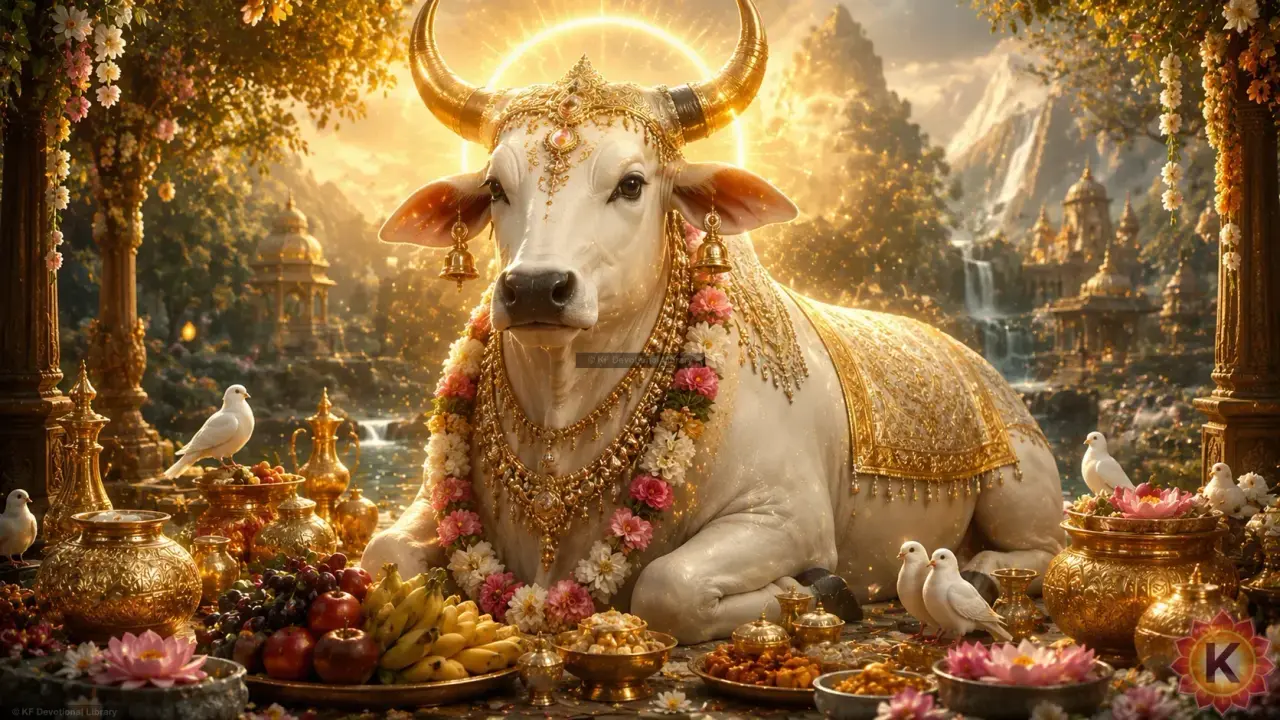
हिंदू गाय को 'गौ माता' के रूप में पूजते हैं क्योंकि उन्हें जीवन, अहिंसा और निस्वार्थ सेवा के पवित्र प्रतीक के रूप में देखा जाता है। जैसे एक माँ अपने बच्चे को दूध पिलाती है, वैसे ही गाय मानवता के लिए दूध, घी और ईंधन प्रदान करती है। वैदिक परंपरा में, गाय उस 'प्रकृति' का प्रतिनिधित्व करती है जो सभी जीवित प्राणियों का पालन-पोषण करती है।
Hindus revere the cow as 'Gau Mata' (Mother Cow) because she is seen as a sacred symbol of life, non-violence, and selfless giving. Contrary to popular belief, she is not worshipped as a 'God' in the traditional sense; rather, she is honored for her life-sustaining role. Just as a mother provides milk to her child, the cow provides milk, ghee, and fuel for humanity without asking for anything but grass and water in return. In the Vedic tradition, the cow represents the 'Prakriti' (Nature) that nurtures all living beings.
Overview
हिंदू धर्म के विशाल परिदृश्य में, कोई भी जानवर गाय जितना महत्वपूर्ण नहीं है। एक हिंदू के लिए, गाय पृथ्वी पर दिव्य उपस्थिति का जीवित अवतार है। यह श्रद्धा केवल एक अंधी परंपरा नहीं है; यह हजारों वर्षों की आर्थिक वास्तविकता और गहन आध्यात्मिक दर्शन में निहित है।
In the vast landscape of Hinduism, no animal is as central to the faith as the cow. To a Hindu, the cow is the living embodiment of the divine presence on earth. This reverence is not just a blind tradition; it is rooted in thousands of years of economic reality and deep spiritual philosophy. In ancient agrarian India, the cow was the foundation of the economy, providing everything from nutrition to fuel. This gratitude evolved into a sacred bond, leading to the belief that thirty-three crore deities reside within the body of a cow. Let's explore the multifaceted reasons behind this unique relationship.
गोपाल: भगवान कृष्ण के साथ संबंध
Gopala: The Connection with Lord Krishna
भगवान कृष्ण गायों के सबसे प्रसिद्ध रक्षक हैं। वे गोकुल में एक चरवाहे के रूप में पले-बढ़े। उन्हें अक्सर 'गोपाल' और 'गोविंद' कहा जाता है। गाय की पूजा करके, एक भक्त सीधे भगवान कृष्ण के जीवन और लीलाओं का सम्मान करता है।
Lord Krishna is the most famous protector of cows. He grew up in the village of Gokul as a cowherd. He is often called 'Gopala' (Protector of Cows) and 'Govinda' (One who gives pleasure to the cows). Legend says that the cows would stop grazing and stand in trance whenever Krishna played his flute. By worshipping the cow, a devotee directly honors the life and pastimes of Lord Krishna. The cow represents the 'Bhakti' or the pure, innocent love that Krishna values most in his devotees.
कामधेनु: इच्छा पूरी करने वाली देवी
Kamadhenu: The Wish-Fulfilling Goddess
हिंदू पौराणिक कथाओं में, 'कामधेनु' एक चमत्कारी गाय है जो समुद्र मंथन के दौरान निकली थी। उसे 'सभी गायों की माता' माना जाता है। पृथ्वी पर प्रत्येक गाय को कामधेनु का वंशज माना जाता है।
In Hindu mythology, the 'Kamadhenu' is a miraculous cow who emerged during the churning of the milky ocean (Samudra Manthan). She is the 'Mother of all Cows' and is believed to grant any wish to her owner. Kamadhenu is the source of all prosperity and represents the earth itself (Bhu-Devi). Every cow on earth is considered a descendant of Kamadhenu. Worshipping a cow is seen as a way of inviting the blessings of Kamadhenu for the success and well-being of the entire household.
उत्तरजीविता का विज्ञान: आर्थिक और स्वास्थ्य कारण
The Science of Survival: Economic and Health Reasons
Historically, the cow was the most valuable asset a family could own. Its products formed the 'Panchagavya' (Milk, Curd, Ghee, Urine, and Dung), which were essential for nutrition, medicine, and farming:
- दूध और घी भारतीय आहार के स्तंभ हैं। — Nutritional Value: A2 milk and Ghee are the pillars of the Indian diet, promoting brain development and immunity.
- गोबर प्राथमिक जैविक उर्वरक था जिसने पीढ़ियों तक मिट्टी को उपजाऊ बनाए रखा। — Farming: Bulls were used to plow fields, and cow dung was the primary organic fertilizer that kept the soil fertile for generations.
- गोमूत्र अपने रोगाणुरोधी गुणों के लिए कई आयुर्वेदिक दवाओं में एक प्रमुख घटक है। — Medicinal: Cow urine (Gomutra) is a key ingredient in many Ayurvedic medicines for its antimicrobial properties.
- Fuel and Insulation: Dried cow dung cakes provided fuel for cooking, and a coating of dung on mud houses acted as a natural insulator and disinfectant.
The Symbolism of the Cow in Hinduism
| Aspect | Symbolic Meaning |
|---|---|
| Milk | Pure nourishment and Motherhood |
| Gentle Nature | Ahimsa (Non-violence) |
| Eyes | Compassion and Innocence |
| Hump | Connection to the solar energy (Suryaketu Nadi) |
| Presence in Home | Auspiciousness and Peace |
| Nandi (Bull) | Dharma, Strength, and Loyalty |
Frequently Asked Questions
Yes, she is worshipped as 'Gau Mata'. It is believed that all the 33 crore types of deities (Devas) reside in the cow's body, making her a mobile temple of divinity.
Ghee is the most refined essence of nature. When offered to the fire, it is believed to carry the prayers of the devotee to the gods. Scientifically, burning cow ghee is said to purify the air and release medicinal vapors.
Kamadhenu literally means 'The Cow of Wishes'. She symbolizes the infinite generosity of nature that provides us with everything we need if we treat it with respect.
Cultural Significance
The cow is a 'Social Leveler' and a symbol of national identity in India. Festivals like 'Gopashtami' and 'Govatsa Dwadashi' are dedicated specifically to worshipping and thanking the cow. In a world of exploitation, the cow stands as a reminder that we must protect those who provide for us. To harm a cow is considered one of the greatest sins in Hinduism because it is an act of extreme ingratitude toward a mother figure.
Disclaimer
The content provided on this page is for educational and informational purposes only. OneSanatan makes no claims or guarantees regarding spiritual results, historical absolute accuracy, or religious outcomes. We are not responsible or liable for any personal interpretations or actions taken based on this information.
Explore More Panchang Modules
Continue Reading