Maha Shivratri - महाशिवरात्रि क्यों?
Discover the spiritual importance of Maha Shivratri. Learn about the union of Shiva and Shakti, the significance of the night-long vigil, and how it helps in self-realization.
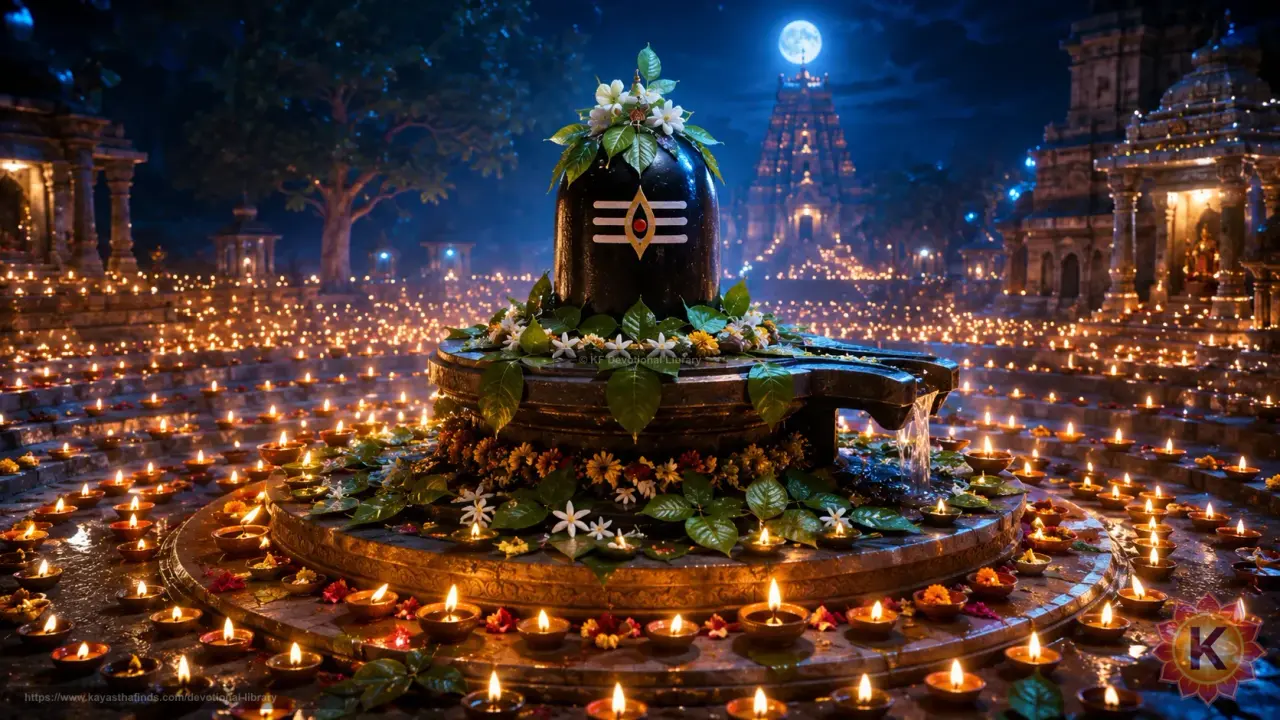
महाशिवरात्रि हिंदू धर्म के सबसे महत्वपूर्ण त्योहारों में से एक है, जो भगवान शिव के सम्मान में मनाया जाता है। यह उस दिन का प्रतीक है जब शिव और पार्वती का विवाह हुआ था, जो चेतना (शिव) और ऊर्जा (शक्ति) के मिलन का प्रतिनिधित्व करता है। यह आध्यात्मिक साधकों के लिए ध्यान और आत्म-साक्षात्कार के लिए सबसे शुभ रात्रि है।
Maha Shivratri is one of the most significant festivals in Hinduism, celebrated to honor Lord Shiva. Unlike other festivals that are celebrated during the day, Maha Shivratri is observed at night. It marks the day when Shiva and Parvati were united in marriage, representing the union of Consciousness (Shiva) and Energy (Shakti). It is also the night when Shiva performed the Tandava, the dance of primordial creation, preservation, and destruction. For spiritual seekers, it is the most auspicious night for meditation and self-realization.
Overview
हर महीने एक 'शिवरात्रि' होती है, लेकिन साल में एक बार हम 'महा' शिवरात्रि मनाते हैं। यह वह समय है जब ग्रहों की स्थिति ऐसी होती है कि मानव प्रणाली में ऊर्जा का प्राकृतिक उछाल आता है।
Every month has a 'Shivratri', the 14th day of the dark fortnight. But once a year, in the month of Phalguna (Feb/March), we celebrate 'Maha' Shivratri — the Great Night. It is a time when the planetary positions are such that there is a natural upsurge of energy in the human system. For millions of devotees, it is a night of intense prayer, fasting, and staying awake (Jagran) to experience the divine presence within. Let's explore why this particular night is considered the 'darkest night' that leads to the 'brightest light' of wisdom.
शिव और शक्ति का मिलन
The Union of Shiva and Shakti
महाशिवरात्रि मनाने का एक सबसे लोकप्रिय कारण भगवान शिव और देवी पार्वती का विवाह है। उनका विवाह तपस्वी और गृहस्थ मार्गों के एकीकरण का प्रतीक है। आध्यात्मिक रूप से, यह सर्वोच्च चेतना के साथ व्यक्तिगत आत्मा के मिलन का प्रतिनिधित्व करता है।
One of the most popular reasons for celebrating Maha Shivratri is the marriage of Lord Shiva and Goddess Parvati. After years of intense penance, Parvati won the heart of the ascetic Shiva. Their marriage signifies the integration of the ascetic and the householder paths. Spiritually, it represents the union of the individual soul with the supreme consciousness. It is a celebration of love, commitment, and the balance of masculine and feminine energies in the universe.
ज्योतिर्लिंग का प्राकट्य
The Appearance of the Jyotirlinga
शिव पुराण के अनुसार, इसी रात शिव ने स्वयं को 'ज्योतिर्लिंग' — अग्नि के एक अनंत स्तंभ के रूप में प्रकट किया था। प्रकाश का न कोई आदि था और न ही कोई अंत, जो यह साबित करता है कि शिव अनंत वास्तविकता हैं।
According to the Shiva Purana, it was on this night that Shiva manifested himself in the form of a 'Jyotirlinga' — an infinite pillar of fire. This happened to resolve a dispute between Brahma and Vishnu about who was supreme. The light had no beginning and no end, proving that Shiva is the infinite reality that exists beyond space and time. Worshipping the Shiva Linga on this night is believed to align the devotee with this infinite source of light and energy.
जागते रहने का विज्ञान (जागरण)
The Science of Staying Awake (Jagran)
महाशिवरात्रि पर, पूरी रात रीढ़ को सीधा रखना चाहिए। इस दिन ऊर्जा के प्राकृतिक उछाल के कारण, जागते रहना इस ऊर्जा को ऊपर की ओर 'सहस्रार' चक्र की ओर ले जाने में मदद करता है।
On Maha Shivratri, the spine should be kept vertical throughout the night. Because of the natural upsurge of energy on this day, staying awake and maintaining a vertical posture helps this energy move upward toward the 'Sahasrara' or the crown chakra. This is why the 'Jagran' (night vigil) is so important. It is not just about staying awake; it is about staying 'aware'. One night of conscious wakefulness on Shivratri is said to be equivalent to a year of regular meditation.
The Four Prahars (Quarters) of Shivratri Puja
| Prahar | Time Interval | Offering / Benefit |
|---|---|---|
| First Prahar | Evening (6 PM - 9 PM) | Milk Abhishek; for overall well-being |
| Second Prahar | Night (9 PM - 12 AM) | Curd Abhishek; for prosperity |
| Third Prahar | Midnight (12 AM - 3 AM) | Ghee Abhishek; for victory over enemies |
| Fourth Prahar | Early Morning (3 AM - 6 AM) | Honey Abhishek; for liberation (Moksha) |
Frequently Asked Questions
Bel Patra is Shiva's favorite leaf. Offering it on Shivratri symbolizes the surrender of the three 'Gunas' (Sattva, Rajas, Tamas) to the Lord, seeking purification and peace.
It is the 'Panchakshari Mantra' representing the five elements. Chanting it on this night is believed to be 100 times more powerful than on any other day, helping to clear past negative karma.
Yes, women celebrate it with great devotion. Many unmarried women fast to seek a husband like Lord Shiva, while married women pray for the well-being of their husbands and families.
Cultural Significance
Maha Shivratri is celebrated with great fervor at the 12 Jyotirlingas and thousands of other Shiva temples. From the 'Bhang' thandai of North India to the grand processions in the South, the festival is a mix of deep meditation and joyful celebration. It is a day that brings people of all castes and backgrounds together under the name of 'Mahadeva'.
Disclaimer
The content provided on this page is for educational and informational purposes only. OneSanatan makes no claims or guarantees regarding spiritual results, historical absolute accuracy, or religious outcomes. We are not responsible or liable for any personal interpretations or actions taken based on this information.
Explore More Panchang Modules
Continue Reading