Who was Sant Dnyaneshwar? - संत ज्ञानेश्वर कौन थे?
Learn about Sant Dnyaneshwar Maharaj, the young Marathi saint-poet, his life, Dnyaneshwari, Amritanubhava, devotion to Lord Vitthal, spiritual teachings and lasting influence on the Varkari tradition.
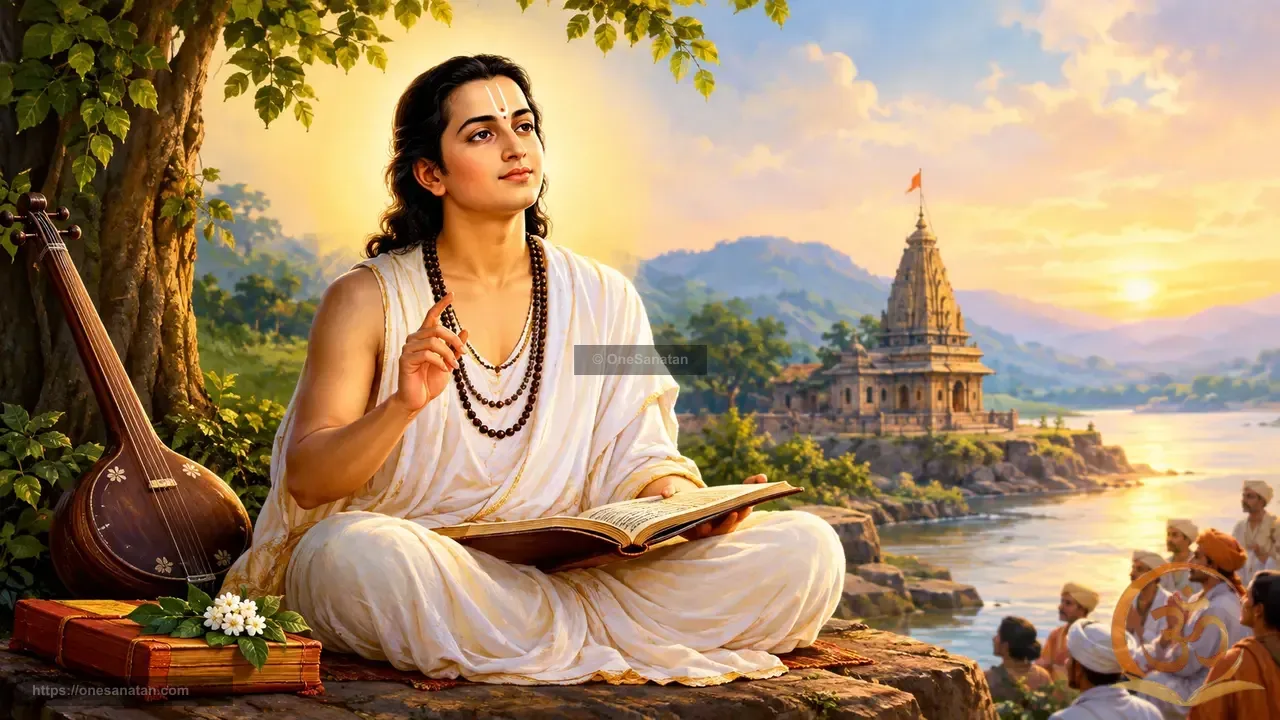
संत ज्ञानेश्वर, जिन्हें ज्ञानेश्वर महाराज या ज्ञानदेव भी कहा जाता है, 13वीं शताब्दी के महान मराठी संत, कवि और आध्यात्मिक शिक्षक थे। वे ज्ञानेश्वरी के लिए सबसे अधिक प्रसिद्ध हैं, जो भगवद्गीता पर आधारित एक महत्वपूर्ण मराठी आध्यात्मिक ग्रंथ है। उन्होंने अमृतानुभव की भी रचना की। उनकी शिक्षाओं में भक्ति, आध्यात्मिक ज्ञान और सभी प्राणियों में दिव्य तत्व को देखने का भाव मिलता है। वे वारकरी परंपरा के प्रमुख आधारभूत संतों में से एक बने और आलंदी में स्थित उनकी समाधि आज भी महत्वपूर्ण तीर्थस्थल है।
Sant Dnyaneshwar, also known as Dnyaneshwar Maharaj or Jnaneshwar, was a 13th-century Marathi saint, poet and spiritual teacher. He is best known for the Dnyaneshwari, a profound Marathi commentary on the Bhagavad Gita, and Amritanubhava. His teachings combined devotion, spiritual knowledge and the idea of seeing divine reality in all beings. He became one of the foundational saints of the Varkari tradition, and his samadhi at Alandi remains an important pilgrimage center.
Overview
संत ज्ञानेश्वर महाराज महाराष्ट्र के आध्यात्मिक और साहित्यिक इतिहास के सबसे महत्वपूर्ण संतों में से एक हैं। वे 13वीं शताब्दी में रहे और भगवान विठ्ठल के भक्त, कवि तथा दार्शनिक के रूप में प्रसिद्ध हुए। उनकी सबसे प्रसिद्ध रचना ज्ञानेश्वरी है, जो भगवद्गीता का एक महत्वपूर्ण मराठी आध्यात्मिक भाष्य है। गीता की गहन शिक्षाओं को सामान्य लोगों की भाषा में समझाकर ज्ञानेश्वर ने उन आध्यात्मिक विचारों को व्यापक समाज तक पहुंचाया जो उस समय मुख्य रूप से संस्कृत धार्मिक ग्रंथों के अध्ययन से जुड़े थे। उन्होंने अमृतानुभव नामक महत्वपूर्ण ग्रंथ भी लिखा, जिसमें आध्यात्मिक अनुभव और अद्वैत ज्ञान पर विचार मिलता है। ज्ञानेश्वर का जीवन बहुत छोटा था। पारंपरिक और ऐतिहासिक स्रोत सामान्यतः उनका जन्म लगभग 1275 और आलंदी में उनकी संजीवन समाधि लगभग 1296 में मानते हैं, हालांकि उनके प्रारंभिक जीवन के कई विवरण बाद की परंपराओं और जीवनचरितों से आते हैं। वे मध्यकालीन महाराष्ट्र के यादव काल में रहे और वारकरी भक्ति परंपरा के प्रमुख आधारभूत संत बने। आज भी उनका प्रभाव आलंदी से पंढरपुर जाने वाली ज्ञानेश्वर पालखी, ज्ञानेश्वरी के निरंतर अध्ययन और उनके पदों के भक्ति-गायन में दिखाई देता है।
Sant Dnyaneshwar Maharaj is one of the most important saints in the spiritual and literary history of Maharashtra. He lived during the 13th century and is remembered as a poet, philosopher and devotee of Lord Vitthal. His greatest literary work, the Dnyaneshwari, is a Marathi commentary on the Bhagavad Gita. By explaining the Gita in the language of ordinary people, Dnyaneshwar helped make profound spiritual ideas accessible beyond the small group of people who could study Sanskrit religious texts. He also composed Amritanubhava, a work dealing with spiritual experience and non-dual knowledge. Dnyaneshwar's life was remarkably short. Traditional and historical sources generally place his birth around 1275 and his samadhi at Alandi around 1296, although details of his early life come largely through later traditions and biographical accounts. He lived during the Yadava period of medieval Maharashtra and became one of the foundational figures of the Varkari devotional tradition. His influence can still be seen in the annual Dnyaneshwar Palkhi from Alandi to Pandharpur, the continued study of the Dnyaneshwari and the devotional singing of his poetry.
संत ज्ञानेश्वर का जन्म और परिवार
Birth and Family of Sant Dnyaneshwar
संत ज्ञानेश्वर का जन्म 13वीं शताब्दी के अंतिम चरण में विठ्ठलपंत और रुक्मिणी के परिवार में हुआ था। पारंपरिक स्रोत सामान्यतः उनका जन्म लगभग 1275 ईस्वी के आसपास मानते हैं। उनके परिवार का संबंध पैठण के निकट आपेगांव और आलंदी से बताया जाता है। उनके पिता विठ्ठलपंत ने संन्यास ग्रहण किया था, लेकिन बाद में गृहस्थ जीवन में लौट आए। इसके कारण परिवार को उस समय की सामाजिक व्यवस्था में गंभीर कठिनाइयों का सामना करना पड़ा। ज्ञानेश्वर के तीन भाई-बहन थे — निवृत्तिनाथ, सोपानदेव और मुक्ताबाई। चारों का नाम मध्यकालीन महाराष्ट्र की भक्ति परंपराओं में महत्वपूर्ण रूप से लिया जाता है। परिवार के प्रारंभिक जीवन के कई विवरण मुख्य रूप से पारंपरिक जीवनचरितों से मिलते हैं और कुछ बातों में स्रोतों के बीच अंतर भी है। लेकिन यह स्पष्ट है कि ज्ञानेश्वर का बचपन कठिन सामाजिक परिस्थितियों में बीता और इन अनुभवों ने उनके आगे के आध्यात्मिक जीवन की पृष्ठभूमि तैयार की।
Sant Dnyaneshwar was born in the late 13th century into the family of Vitthalpant and Rukmini. Traditional sources generally place his birth around 1275 CE. His family had connections with Apegaon near Paithan and Alandi. His father Vitthalpant had entered the life of a renunciant but later returned to household life, and this created serious social difficulties for the family. Dnyaneshwar had three siblings: Nivruttinath, Sopanadeva and Muktabai. All four became important figures in the devotional traditions surrounding medieval Maharashtra. The details of the family's early life are preserved mainly through traditional biographies, and some parts of the story vary between sources. What is clear is that Dnyaneshwar's childhood took place in a difficult social environment and that these experiences became part of the background to his later spiritual life.
निवृत्तिनाथ ज्ञानेश्वर के गुरु
Nivruttinath as Dnyaneshwar's Guru
ज्ञानेश्वर के बड़े भाई निवृत्तिनाथ उनके गुरु और महत्वपूर्ण आध्यात्मिक मार्गदर्शक बने। पारंपरिक विवरणों में निवृत्तिनाथ का संबंध नाथ परंपरा की साधना से जोड़ा जाता है। उनके मार्गदर्शन में ज्ञानेश्वर ने योग, आध्यात्मिक ज्ञान और भक्ति में गहरी रुचि विकसित की। यह संबंध इसलिए महत्वपूर्ण है क्योंकि ज्ञानेश्वर की बाद की रचनाओं में भारतीय आध्यात्मिक परंपराओं की कई धाराएं एक साथ दिखाई देती हैं। विठ्ठल भक्ति, आत्मज्ञान, ध्यान और आध्यात्मिक अनुशासन उनके विचारों में साथ-साथ मिलते हैं। इसलिए ज्ञानेश्वर की आध्यात्मिक दृष्टि को समझने के लिए निवृत्तिनाथ का प्रभाव बहुत महत्वपूर्ण है।
Nivruttinath, Dnyaneshwar's elder brother, became his guru and an important spiritual influence. Traditional accounts connect Nivruttinath with the Nath tradition of spiritual practice. Under his guidance, Dnyaneshwar developed a deep interest in yoga, spiritual knowledge and devotion. This relationship is important because Dnyaneshwar's later writings combine several strands of Indian spirituality rather than presenting only one narrow path. Devotion to Vitthal, knowledge of the Self, meditation and spiritual discipline appear together in his work. The influence of Nivruttinath is therefore central to understanding the formation of Dnyaneshwar's spiritual outlook.
कठिन बचपन और सामाजिक बहिष्कार
A Difficult Childhood and Social Rejection
पारंपरिक जीवनचरितों में बताया गया है कि पिता के संन्यास से वापस गृहस्थ जीवन में आने के कारण परिवार को उस समय की धार्मिक-सामाजिक व्यवस्था में बहिष्कार और अस्वीकार का सामना करना पड़ा। बच्चों को भी समाज में सहज स्वीकृति नहीं मिली। ज्ञानेश्वर की पारंपरिक जीवनी में यह अनुभव महत्वपूर्ण है क्योंकि इससे उनकी बाद की आध्यात्मिक समानता और सभी के लिए ज्ञान की उपलब्धता पर जोर को समझने में सहायता मिलती है। सामाजिक अस्वीकार को अपनी पहचान बनने देने के बजाय ज्ञानेश्वर ऐसे शिक्षक बने जिनकी रचनाएं अलग-अलग सामाजिक समूहों तक पहुंचीं। परिवार की धार्मिक अधिकारियों द्वारा स्वीकृति से जुड़ी कुछ नाटकीय कथाएं मुख्य रूप से भक्तिपरक जीवनचरितों का हिस्सा हैं और उन्हें स्वतंत्र रूप से प्रमाणित मध्यकालीन इतिहास से अलग समझना चाहिए।
Traditional accounts describe the family as facing social exclusion because of their father's return from renunciation to household life. The children were reportedly not accepted easily within the prevailing religious-social order. This experience is important in the traditional biography of Dnyaneshwar because it provides a background for his later emphasis on spiritual equality and access to divine knowledge. Rather than allowing social rejection to define his spiritual identity, Dnyaneshwar became a teacher whose works reached people across social boundaries. Some dramatic episodes associated with the family's acceptance by religious authorities belong primarily to hagiographical literature and should be distinguished from independently documented medieval history.
पैठण की प्रसिद्ध कथा
The Famous Meeting at Paithan
ज्ञानेश्वर की पारंपरिक जीवनी में पैठण से जुड़ी एक प्रसिद्ध कथा मिलती है। इसके अनुसार ज्ञानेश्वर ने विद्वान ब्राह्मणों के सामने आध्यात्मिक ज्ञान का प्रदर्शन किया और एक भैंसे से वेद मंत्रों का उच्चारण करवाने का चमत्कार किया। यह प्रसंग लोकप्रिय भक्तिपरंपरा में महत्वपूर्ण स्थान रखता है। इसका प्रतीकात्मक अर्थ यह है कि दिव्य ज्ञान केवल सामाजिक स्थिति या सामान्य विद्वता तक सीमित नहीं है। हालांकि इस चमत्कार को स्वतंत्र रूप से प्रमाणित ऐतिहासिक तथ्य के रूप में प्रस्तुत नहीं किया जा सकता। इस कथा का व्यापक महत्व उस आध्यात्मिक संदेश में है जिसे यह व्यक्त करती है — वास्तविक ज्ञान सामाजिक अहंकार के बजाय आंतरिक अनुभूति से जुड़ा है।
One of the most famous stories in Dnyaneshwar's traditional biography is associated with Paithan. The story says that Dnyaneshwar demonstrated spiritual knowledge before learned Brahmins and performed a miraculous act involving a buffalo reciting Vedic verses. This episode has become an important part of popular devotional memory. It symbolizes the idea that divine knowledge is not restricted by social status or conventional measures of learning. However, the miraculous event itself belongs to the hagiographical tradition and cannot be presented as an independently verified historical fact. The broader significance of the story lies in the way it expresses Dnyaneshwar's spiritual message: true knowledge is connected with inner realization rather than social pride.
ज्ञानेश्वरी: भगवद्गीता को सामान्य लोगों तक पहुंचाना
Dnyaneshwari: Making the Bhagavad Gita Accessible
ज्ञानेश्वर की सबसे प्रसिद्ध रचना ज्ञानेश्वरी है, जिसे भावार्थदीपिका भी कहा जाता है। यह भगवद्गीता का विस्तृत मराठी विवेचन है। परंपरा के अनुसार इसका लेखन उस समय नेवासे में हुआ जब ज्ञानेश्वर बहुत कम आयु के थे। महाराष्ट्र सरकार ज्ञानेश्वरी को गीता का महत्वपूर्ण मराठी निरूपण बताती है और इसके 9,000 से अधिक ओवियों का उल्लेख करती है। इस ग्रंथ में गीता की शिक्षाओं को मराठी पद्य, दैनिक जीवन के उदाहरणों और दार्शनिक चिंतन के माध्यम से समझाया गया है। इसका महत्व केवल संस्कृत को मराठी में प्रस्तुत करने में नहीं है। ज्ञानेश्वर गीता के आध्यात्मिक अर्थ की व्याख्या करते हुए भक्ति, ज्ञान, कर्म और दिव्य अनुभूति को एक साथ जोड़ते हैं।
Dnyaneshwar's most famous work is the Dnyaneshwari, also known as Bhavarth Deepika. It is a detailed Marathi exposition of the Bhagavad Gita. Tradition places its composition at Nevasa when Dnyaneshwar was still very young. The Maharashtra government describes Dnyaneshwari as an important Marathi rendering and interpretation of the Gita and notes that it contains more than 9,000 ovis. The work explains the Gita's teachings through Marathi poetry, examples from everyday life and philosophical reflection. Its importance is not simply that it translates Sanskrit into Marathi. Dnyaneshwar interprets the spiritual meaning of the Gita and connects its teachings with devotion, knowledge, action and the experience of the divine.
ज्ञानेश्वरी इतनी महत्वपूर्ण क्यों बनी?
Why Dnyaneshwari Became So Important
ज्ञानेश्वरी ने मराठी आध्यात्मिक साहित्य के विकास में बहुत महत्वपूर्ण भूमिका निभाई। मध्यकालीन समाज में संस्कृत का अध्ययन सभी वर्गों के लिए समान रूप से सुलभ नहीं था, जबकि मराठी को बहुत व्यापक समाज समझता था। गीता को मराठी में प्रस्तुत करके ज्ञानेश्वर ने लोकभाषा में एक मजबूत आध्यात्मिक साहित्य को विकसित करने में योगदान दिया। उनकी भाषा काव्यात्मक और कल्पनाशील है तथा उसमें प्रकृति और सामान्य जीवन से लिए गए अनेक उदाहरण मिलते हैं। वारकरी समुदाय और बाद की पीढ़ियों के मराठी पाठकों में यह ग्रंथ अत्यंत सम्मानित हुआ। इसका प्रभाव केवल धर्म तक सीमित नहीं रहा, बल्कि मराठी साहित्य के इतिहास में भी इसका विशेष स्थान बना क्योंकि इसने मराठी को गहन दार्शनिक विचार व्यक्त करने वाली भाषा के रूप में मजबूत किया।
The Dnyaneshwari played a major role in the development of Marathi spiritual literature. Sanskrit learning was not equally accessible to all sections of medieval society, while Marathi was understood by a much wider population. By presenting the Gita in Marathi, Dnyaneshwar helped create a powerful vernacular spiritual literature. His language is poetic, imaginative and often filled with examples drawn from nature and ordinary life. The work became deeply respected among Varkaris and later generations of Marathi readers. Its influence extends beyond religion into Marathi literary history because it helped establish Marathi as a language capable of expressing sophisticated philosophical ideas.
अमृतानुभव क्या है?
What is Amritanubhava?
अमृतानुभव संत ज्ञानेश्वर से जुड़ी दूसरी महत्वपूर्ण रचना है। ज्ञानेश्वरी जहां भगवद्गीता की शिक्षाओं का विस्तार से विवेचन करती है, वहीं अमृतानुभव में ज्ञानेश्वर के अपने दार्शनिक और आध्यात्मिक चिंतन का अधिक प्रत्यक्ष रूप मिलता है। इसमें चेतना, ज्ञान, व्यक्ति और परम सत्य के संबंध तथा सामान्य वैचारिक सीमाओं जैसे विषयों पर विचार किया गया है। यह ग्रंथ ज्ञानेश्वरी की तुलना में अधिक दार्शनिक और कठिन है। ज्ञानेश्वर की अद्वैत और गैर-द्वैत दृष्टि को समझने के लिए इसका विशेष महत्व है। इसलिए उनकी आध्यात्मिकता को केवल देवता की भक्ति तक सीमित नहीं किया जा सकता। उनकी रचनाओं में भक्ति, ज्ञान और प्रत्यक्ष आध्यात्मिक अनुभव को एक साथ जोड़ने का प्रयास दिखाई देता है।
Amritanubhava is another major work associated with Sant Dnyaneshwar. Unlike the Dnyaneshwari, which closely follows the Bhagavad Gita, Amritanubhava presents Dnyaneshwar's own philosophical and spiritual reflections. It explores consciousness, knowledge, the relationship between the individual and ultimate reality and the limitations of ordinary conceptual thinking. The work is more philosophical and demanding than the Dnyaneshwari. It is particularly important for understanding the non-dual dimension of Dnyaneshwar's thought. His spirituality cannot therefore be reduced to devotional worship alone. His writings show an attempt to bring together Bhakti, Jnana and direct spiritual experience.
ज्ञानेश्वर का आध्यात्मिक दर्शन
Dnyaneshwar's Spiritual Philosophy
ज्ञानेश्वर के विचारों में भक्ति और आध्यात्मिक ज्ञान एक-दूसरे से अलग मार्ग नहीं बल्कि एक-दूसरे से जुड़े हुए दिखाई देते हैं। वे समस्त अस्तित्व में दिव्य तत्व की उपस्थिति पर जोर देते हैं और मनुष्य की दृष्टि में परिवर्तन को महत्वपूर्ण मानते हैं। भगवद्गीता में बताए गए निष्काम कर्म और कर्मफल के प्रति आसक्ति छोड़ने की शिक्षा उनके विवेचन का महत्वपूर्ण हिस्सा है। साथ ही उनकी रचनाओं में एक मजबूत अद्वैत दृष्टि मिलती है, जिसमें आध्यात्मिक अनुभूति के माध्यम से व्यक्ति और परम सत्य के बीच दिखाई देने वाला अलगाव समाप्त होता है। यही समन्वय उन्हें वारकरी भक्तों के साथ-साथ वेदांत में रुचि रखने वाले पाठकों के लिए भी महत्वपूर्ण बनाता है।
Dnyaneshwar's thought combines devotion and spiritual knowledge rather than treating them as completely separate paths. He saw the divine as present throughout existence and emphasized the transformation of one's vision. The Bhagavad Gita's teaching of performing one's duty while surrendering its fruits is an important part of his interpretation. At the same time, his writings contain a strong non-dual perspective in which the apparent separation between the individual self and ultimate reality is overcome through spiritual realization. This combination helps explain why Dnyaneshwar became important both to devotional Varkaris and to readers interested in Vedantic thought.
पसायदान: सबके कल्याण की प्रार्थना
Pasayadan: A Prayer for the Welfare of All
पसायदान ज्ञानेश्वरी के अंत में आने वाली प्रसिद्ध प्रार्थना है। यह ज्ञानेश्वर की सबसे प्रिय रचनात्मक अभिव्यक्तियों में से एक है क्योंकि इसमें व्यक्तिगत लाभ के बजाय समस्त संसार के कल्याण की कामना की गई है। इसमें मनुष्य के भीतर की बुरी प्रवृत्तियों को दूर करने और सद्भाव, करुणा, ज्ञान तथा अच्छे आचरण के विकास की प्रार्थना की जाती है। महाराष्ट्र सरकार भी पसायदान को आशीर्वाद की प्रार्थना के रूप में बताती है और इस बात पर जोर देती है कि ज्ञानेश्वर ने अपने लिए भौतिक लाभ मांगने के बजाय समस्त मानवता के कल्याण की कामना की। यह सार्वभौमिक दृष्टि उनके आध्यात्मिक आदर्श की सबसे स्पष्ट अभिव्यक्तियों में से एक है।
The Pasayadan is the concluding prayer traditionally associated with the Dnyaneshwari. It is one of the most loved portions of Dnyaneshwar's work because the prayer is directed toward the welfare of the whole world rather than personal gain. The prayer asks for the removal of harmful tendencies and for the growth of goodness, compassion, wisdom and harmony. The Maharashtra government describes the Pasayadan as a request for blessings and highlights that Dnyaneshwar asks for the welfare of humanity rather than asking for material benefits for himself. This universal outlook is one of the clearest expressions of his spiritual ideal.
ज्ञानेश्वर और वारकरी परंपरा
Dnyaneshwar and the Varkari Tradition
संत ज्ञानेश्वर को वारकरी परंपरा के आधारभूत संतों में से एक माना जाता है। इस परंपरा का केंद्र पंढरपुर के भगवान विठ्ठल की भक्ति, तीर्थयात्रा, ईश्वर-नाम का स्मरण, नैतिक जीवन और सामुदायिक सहभागिता है। ज्ञानेश्वर का योगदान इसलिए विशेष था क्योंकि उनकी मराठी रचनाओं ने दार्शनिक और भक्तिपूर्ण विचारों को ऐसी भाषा और शैली दी जिसे सामान्य लोग सुन, गा और याद कर सकते थे। उनके बाद नामदेव, एकनाथ और बाद में तुकाराम जैसे प्रमुख संतों ने इस परंपरा को आगे बढ़ाया। महाराष्ट्र राज्य गजेटियर ज्ञानेश्वर को प्रथम महान वारकरी संतों में गिनता है और उन्हें विठ्ठल से जुड़ी प्रमुख मराठी संत-कवि परंपरा की शुरुआत में रखता है।
Sant Dnyaneshwar is regarded as one of the foundational saints of the Varkari tradition. The tradition centers on devotion to Lord Vitthal of Pandharpur, pilgrimage, singing the divine name, ethical living and community participation. Dnyaneshwar's contribution was especially important because his Marathi writings gave philosophical and devotional ideas a form that ordinary people could hear, sing and remember. His influence was followed by other major saints including Namdev, Eknath and later Tukaram. The Maharashtra State Gazetteer describes Dnyaneshwar as the first great Varkari saint and places him at the beginning of the major Marathi saint-poet tradition connected with Vithoba.
ज्ञानेश्वर और संत नामदेव
Dnyaneshwar and Sant Namdev
महाराष्ट्र की भक्ति परंपरा के पारंपरिक इतिहास में संत ज्ञानेश्वर और संत नामदेव का संबंध बहुत महत्वपूर्ण माना जाता है। भक्तिपरंपरा में उनकी मित्रता और साथ में तीर्थयात्रा के अनेक प्रसंग मिलते हैं। उनका संबंध इसलिए महत्वपूर्ण है क्योंकि इसमें भक्ति की दो पूरक धाराएं दिखाई देती हैं — ज्ञानेश्वर की दार्शनिक और चिंतनशील दृष्टि तथा नामदेव की गहरी व्यक्तिगत भक्ति कविता। उनकी यात्राओं और बातचीत से जुड़ी कुछ कथाएं मुख्य रूप से बाद के भक्तिपरक साहित्य में सुरक्षित हैं, इसलिए अलग-अलग घटनाओं को सावधानी से समझना चाहिए। फिर भी वारकरी परंपरा की सांस्कृतिक स्मृति में दोनों संतों के नाम गहराई से जुड़े हुए हैं।
The traditional history of Maharashtra's Bhakti movement closely associates Sant Dnyaneshwar with Sant Namdev. Devotional literature describes their friendship and shared pilgrimage experiences. Their association is important because it brings together two complementary expressions of Bhakti: Dnyaneshwar's philosophical and contemplative approach and Namdev's deeply personal devotional poetry. Some stories about their travels and conversations are preserved mainly through later devotional literature, so individual details should be treated cautiously. Nevertheless, their names became deeply connected in the cultural memory of the Varkari tradition.
आलंदी से ज्ञानेश्वर पालखी
Dnyaneshwar Palkhi from Alandi
आलंदी संत ज्ञानेश्वर से गहराई से जुड़ा हुआ है क्योंकि परंपरा के अनुसार यहीं उन्होंने संजीवन समाधि ली। हर वर्ष आषाढ़ी वारी के दौरान उनकी पादुकाओं की पालखी आलंदी से पंढरपुर ले जाई जाती है। महाराष्ट्र सरकार आलंदी से निकलने वाली ज्ञानेश्वर पालखी और देहू से निकलने वाली तुकाराम पालखी को वारी की दो प्रमुख पालखियों के रूप में पहचानती है। हजारों वारकरी पालखी के साथ पैदल चलते हुए अभंग गाते हैं और भगवान विठ्ठल का स्मरण करते हैं। इस यात्रा के कारण ज्ञानेश्वर की विरासत केवल ऐतिहासिक स्मृति नहीं रहती, बल्कि आज भी जीवित भक्ति परंपरा के रूप में बनी हुई है।
Alandi is closely associated with Sant Dnyaneshwar because it is traditionally regarded as the place where he entered samadhi. His padukas are carried from Alandi to Pandharpur during the annual Ashadhi Wari. The Maharashtra government identifies the Dnyaneshwar Palkhi from Alandi and the Tukaram Palkhi from Dehu as the two principal Palkhi processions of the Wari. Thousands of Warkaris walk with the Palkhi while singing abhangas and remembering Lord Vitthal. The journey keeps Dnyaneshwar's legacy alive as a living devotional practice rather than only as a historical tradition.
आलंदी में ज्ञानेश्वर की समाधि
The Samadhi at Alandi
पारंपरिक विवरण के अनुसार ज्ञानेश्वर ने लगभग 21 वर्ष की आयु में 1296 ईस्वी में आलंदी में संजीवन समाधि ली। भक्तिपरंपरा में इसे सामान्य मृत्यु के बजाय एक सचेत आध्यात्मिक समाधि के रूप में समझा जाता है। आलंदी में उनकी समाधि का मंदिर महाराष्ट्र के सबसे महत्वपूर्ण तीर्थस्थलों में से एक बन गया। हालांकि ऐतिहासिक परिस्थितियों और भक्तिपरंपरा की आध्यात्मिक व्याख्या को अलग-अलग समझना चाहिए। तिथि और समाधि की परंपरा महाराष्ट्र की धार्मिक स्मृति में गहराई से स्थापित है, जबकि समाधि के माध्यम से एक अलौकिक अवस्था में प्रवेश की व्याख्या उनके अनुयायियों की आध्यात्मिक आस्था का विषय है।
According to the traditional account, Dnyaneshwar entered sanjeevan samadhi at Alandi in 1296 CE at the age of about twenty-one. In the devotional understanding of the tradition, this was a conscious spiritual withdrawal rather than an ordinary death. His samadhi shrine at Alandi became one of the most important pilgrimage centers of Maharashtra. Historical discussion of the exact circumstances should be separated from the devotional interpretation. The date and the samadhi tradition are deeply established in the religious memory of Maharashtra, while the idea of consciously entering a supernatural state belongs to the spiritual understanding of his followers.
आज भी संत ज्ञानेश्वर क्यों महत्वपूर्ण हैं?
Why Sant Dnyaneshwar Remains Important Today
संत ज्ञानेश्वर आज भी इसलिए महत्वपूर्ण हैं क्योंकि उन्होंने दर्शन, भक्ति और साहित्य को ऐसी भाषा और शैली में जोड़ा जो आज तक समझी और अपनाई जाती है। ज्ञानेश्वरी मराठी आध्यात्मिक साहित्य की आधारभूत रचनाओं में से एक है। उनकी शिक्षाएं ज्ञान के बिना भक्ति और भक्ति के बिना ज्ञान को अधूरा नहीं मानतीं, बल्कि दोनों के साथ विनम्रता और करुणा को जोड़ती हैं। पसायदान मानवता के कल्याण की सार्वभौमिक कामना व्यक्त करता है। आलंदी से पंढरपुर जाने वाली वार्षिक पालखी उनके मध्यकालीन जीवन को आधुनिक महाराष्ट्र की जीवित धार्मिक परंपरा से जोड़ती है। उनका जीवन यह भी दिखाता है कि बहुत छोटा मानवीय जीवन भी साहित्य, समुदाय और परंपरा के माध्यम से दीर्घकालीन सांस्कृतिक और आध्यात्मिक प्रभाव छोड़ सकता है।
Sant Dnyaneshwar remains important because he brought together philosophy, devotion and literature in a form that continues to be understood and practiced. The Dnyaneshwari remains one of the foundational works of Marathi spiritual literature. His teachings encourage devotion without abandoning knowledge, and knowledge without losing humility and compassion. His Pasayadan expresses a universal wish for the welfare of humanity. The annual Palkhi from Alandi to Pandharpur connects his medieval legacy with the living religious practice of modern Maharashtra. His life also demonstrates how a very short human lifespan can leave a lasting cultural and spiritual influence when ideas are preserved through literature, community and tradition.
Frequently Asked Questions
Sant Dnyaneshwar was a 13th-century Marathi saint, poet and spiritual teacher. He is best known for the Dnyaneshwari, his Marathi commentary on the Bhagavad Gita.
Traditional accounts generally place Sant Dnyaneshwar's birth around 1275 CE. Details of his early life come mainly from traditional biographies and later historical-literary sources.
Traditional sources associate his birth with the Apegaon region near Paithan in present-day Maharashtra. His family later became closely associated with Alandi.
Dnyaneshwari, also called Bhavarth Deepika, is a major Marathi commentary on the Bhagavad Gita composed by Sant Dnyaneshwar.
Dnyaneshwari made the spiritual ideas of the Bhagavad Gita accessible through Marathi and became one of the foundational works of Marathi spiritual literature.
His elder brother Nivruttinath is traditionally regarded as Sant Dnyaneshwar's guru and an important spiritual influence on his life.
Amritanubhava is a major philosophical and spiritual work associated with Sant Dnyaneshwar. It explores consciousness, knowledge and the experience of ultimate reality.
Pasayadan is the concluding prayer of the Dnyaneshwari. It expresses a wish for the welfare of humanity, the growth of goodness and the removal of harmful tendencies.
Sant Dnyaneshwar's samadhi is traditionally located at Alandi in Maharashtra. Alandi remains an important pilgrimage center and the starting point of his Palkhi for the Pandharpur Wari.
His teachings brought together Bhakti, spiritual knowledge, self-realization, ethical action and compassion. He emphasized seeing divine reality beyond narrow social distinctions.
Several miracles are described in traditional biographies, including the famous Paithan buffalo story. These accounts are important to devotional tradition but should not be presented as independently verified historical facts.
The Dnyaneshwar Palkhi is an annual pilgrimage procession carrying the saint's sacred padukas from Alandi toward Pandharpur during the Ashadhi Wari.
Cultural Significance
Sant Dnyaneshwar is a foundational figure in Maharashtra's spiritual, literary and cultural history. His Dnyaneshwari helped establish Marathi as a language capable of expressing sophisticated philosophical and devotional ideas, while his connection with Lord Vitthal and the Varkari tradition shaped the devotional culture that continues around Pandharpur. His samadhi at Alandi remains a major pilgrimage center and his Palkhi forms one of the principal processions of the Ashadhi Wari. Dnyaneshwar's spiritual legacy is distinctive because it brings together Bhakti, Jnana, yoga and compassion rather than presenting them as completely separate paths. His Pasayadan is particularly remembered for its universal prayer for human welfare. Stories about miracles associated with his childhood and spiritual powers are important within devotional tradition but should be distinguished from independently verified historical evidence.
Disclaimer
The content provided on this page is for educational and informational purposes only. OneSanatan makes no claims or guarantees regarding spiritual results, historical absolute accuracy, or religious outcomes. We are not responsible or liable for any personal interpretations or actions taken based on this information.
Explore More Panchang Modules
Continue Reading