Who was Swami Vivekananda? - स्वामी विवेकानंद कौन थे?
Learn about Swami Vivekananda, the dynamic Hindu monk who introduced Vedanta to the Western world at the 1893 Parliament of Religions in Chicago.
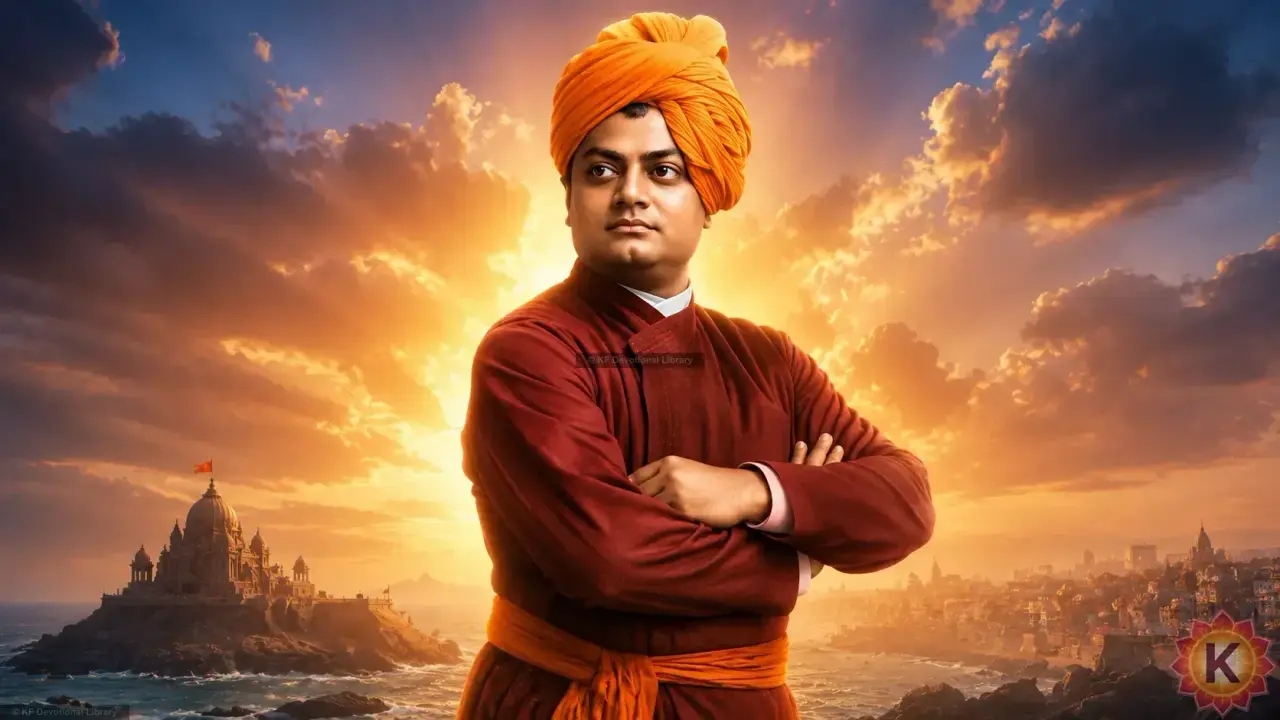
स्वामी विवेकानंद (1863-1902) 19वीं सदी के एक हिंदू संन्यासी और रहस्यवादी रामकृष्ण परमहंस के प्रमुख शिष्य थे। उन्होंने शिकागो में 1893 की विश्व धर्म संसद में अपने ऐतिहासिक भाषण के बाद वैश्विक प्रसिद्धि प्राप्त की, जहां उन्होंने पश्चिमी दुनिया को वेदांत और योग से परिचित कराया।
Swami Vivekananda (1863–1902) was a 19th-century Hindu monk, chief disciple of the mystic Ramakrishna Paramahamsa, and a key figure in introducing the Indian philosophies of Vedanta and Yoga to the Western world. He became famous globally after his groundbreaking speech at the 1893 Parliament of the World's Religions in Chicago, where he eloquently presented Hinduism as a religion of universal acceptance and tolerance.
Overview
जब 1893 में शिकागो में एक युवा भारतीय संन्यासी ने अपना भाषण 'अमेरिका के बहनों और भाइयों' के साथ शुरू किया, तो उन्हें दो मिनट तक खड़े होकर तालियों की गड़गड़ाहट मिली। उस पल ने हमेशा के लिए बदल दिया कि पश्चिम भारत को कैसे देखता है। स्वामी विवेकानंद ने सिर्फ धर्म का उपदेश नहीं दिया; उन्होंने निडरता का उपदेश दिया।
When a young, relatively unknown Indian monk stood up in Chicago in 1893 and began his speech with 'Sisters and Brothers of America,' he received a two-minute standing ovation. That moment forever changed how the West viewed India. Swami Vivekananda didn't just preach religion; he preached strength, fearlessness, and the practical application of ancient wisdom to solve modern problems.
संशयवादी से भक्त तक
From Skeptic to Devotee
नरेंद्रनाथ नाम के एक युवक के रूप में, वे अत्यधिक संशयवादी थे। वे साधुओं से एक सीधा सवाल पूछते थे: 'क्या आपने भगवान को देखा है?' किसी ने भी उन्हें संतोषजनक उत्तर नहीं दिया जब तक कि वे कोलकाता में रामकृष्ण परमहंस से नहीं मिले। रामकृष्ण ने उत्तर दिया, 'हाँ, मैं उन्हें उतना ही स्पष्ट रूप से देखता हूँ जितना मैं तुम्हें देखता हूँ।' इस मुलाकात ने उनका जीवन बदल दिया।
As a young man named Narendranath, he was fiercely intellectual and highly skeptical of religion. He famously went around asking holy men a direct question: 'Have you seen God?' None gave him a satisfactory answer until he met Ramakrishna Paramahamsa in Kolkata. Ramakrishna replied, 'Yes, I see Him as clearly as I see you, only in a much deeper sense.' That encounter eventually transformed the rebellious youth into Swami Vivekananda.
व्यावहारिक वेदांत
Practical Vedanta
विवेकानंद का मानना था कि यदि दर्शन भूखे व्यक्ति को भोजन नहीं करा सकता तो वह बेकार है। उन्होंने 'व्यावहारिक वेदांत' की वकालत की—यह विचार कि मानव की सेवा करना ही ईश्वर (दरिद्र नारायण) की सेवा करने का सर्वोच्च रूप है। उन्होंने रामकृष्ण मिशन की स्थापना की, जो आज भी अस्पताल और स्कूल चलाता है।
Vivekananda believed that philosophy was useless if it couldn't feed a starving man. He advocated for 'Practical Vedanta'—the idea that serving human beings is the highest form of serving God (Daridra Narayana). He founded the Ramakrishna Mission, an organization that continues to run hospitals, schools, and disaster relief programs around the world, completely devoid of caste or religious discrimination.
Frequently Asked Questions
Unlike many mystics, Vivekananda actively discouraged focusing on miracles or occult powers. He believed the greatest miracle was the transformation of a weak human mind into a strong, fearless, and compassionate one.
He passed away at the young age of 39 in 1902. According to his disciples, he attained Mahasamadhi (the act of consciously leaving the physical body during deep meditation).
Cultural Significance
His words, 'Arise, awake, and stop not till the goal is reached,' became a rallying cry during India's freedom struggle. Leaders like Mahatma Gandhi and Subhas Chandra Bose drew immense inspiration from his patriotic fervor.
Disclaimer
The content provided on this page is for educational and informational purposes only. OneSanatan makes no claims or guarantees regarding spiritual results, historical absolute accuracy, or religious outcomes. We are not responsible or liable for any personal interpretations or actions taken based on this information.
Explore More Panchang Modules
Continue Reading