Significance of Lighting a Diya - दीपक क्यों जलाते हैं?
Discover why lighting a Diya (lamp) is essential in Hindu Puja. Learn about the spiritual, scientific, and cultural significance of the sacred light.
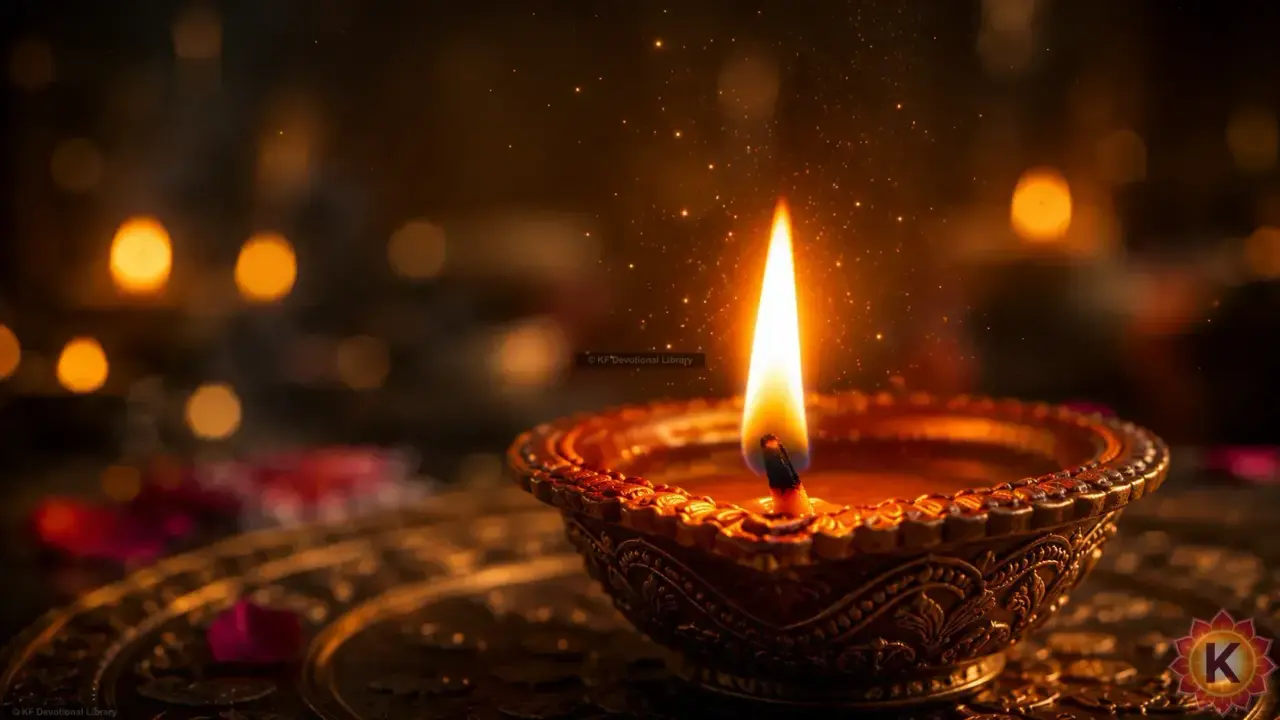
हिंदू धर्म में दीया जलाना अज्ञानता पर ज्ञान और अंधकार पर प्रकाश की जीत का प्रतीक है। किसी भी शुभ कार्य या पूजा से पहले दीपक जलाकर देवी-देवताओं का आवाहन किया जाता है।
In Hinduism, lighting a Diya signifies the triumph of knowledge over ignorance and light over darkness. Before starting any Puja or auspicious event, a lamp is lit to invoke divine presence, purify the atmosphere, and represent the inner spiritual awakening of the devotee.
Overview
दीपक जलाना हिंदू धर्म के सबसे महत्वपूर्ण अनुष्ठानों में से एक है। चाहे वह दैनिक पूजा हो या दिवाली जैसा बड़ा त्योहार, दीपक की लौ को ईश्वर का स्वरूप माना जाता है जो हमारी प्रार्थनाओं की साक्षी बनती है।
Lighting a Diya (oil or ghee lamp) is perhaps the most universal and recognizable ritual in Hinduism. Whether it is a daily evening prayer, a grand festival like Diwali, or a life milestone, the presence of a lit lamp is mandatory. The flame of the Diya represents the supreme energy and serves as a silent witness to our prayers.
दीपक के विभिन्न तत्वों का अर्थ
The Symbolism of the Diya Components
दीपक का हर हिस्सा एक प्रतीक है: - मिट्टी का बर्तन: हमारा भौतिक शरीर। - तेल या घी: हमारे नकारात्मक विचार और अहंकार। - रुई की बत्ती: हमारी आत्मा। - लौ: आध्यात्मिक ज्ञान। जैसे-जैसे ज्ञान की लौ जलती है, वह हमारे अहंकार और अज्ञान को समाप्त कर देती है।
Every part of the Diya holds profound symbolism: - The Clay Pot (Agal): Represents the physical body and the earth element. - The Oil/Ghee: Symbolizes human negative tendencies, ego, and desires. - The Cotton Wick: Represents the individual soul (Atman). - The Flame: Symbolizes spiritual knowledge and divine light. When the flame of knowledge burns, it slowly consumes the ego (oil) and the bodily attachment (wick).
'शुभं करोति कल्याणं' मंत्र का महत्व
Why We Chant 'Shubham Karoti Kalyanam'
शाम को दीपक जलाते समय 'शुभं करोति कल्याणं' मंत्र का जाप किया जाता है, जिसका अर्थ है: हे दीप ज्योति, आप शुभ करने वाली, कल्याणकारी, आरोग्य और धन-संपदा देने वाली हैं। मेरे शत्रु-बुद्धि (नकारात्मक विचारों) का नाश करें।
When lighting the evening lamp, Hindus traditionally chant: 'Shubham Karoti Kalyanam, Arogyam Dhana Sampadah, Shatru Buddhi Vinashaya Deepa Jyotir Namostute.' Meaning: 'I salute the Supreme Light that brings auspiciousness, prosperity, good health, and destroys the intellect's hostile (negative) tendencies.'
वैज्ञानिक और मनोवैज्ञानिक लाभ
Scientific and Psychological Benefits
शुद्ध घी या तिल के तेल का दीपक जलाने से वातावरण शुद्ध होता है और सकारात्मक ऊर्जा का संचार होता है। दीपक की लौ को देखने से मन शांत होता है और एकाग्रता बढ़ती है।
Beyond spirituality, lighting a pure ghee or sesame oil lamp emits positive vibrations and cleanses the surrounding air. Focusing on the steady flame of the Diya (a practice similar to Trataka) calms the restless mind, improves concentration, and brings a sense of deep inner peace before meditation.
Types of Oils Used in Diyas & Their Significance
| Type of Oil | Primary Deity/Purpose | Spiritual Benefit |
|---|---|---|
| Cow's Ghee | Goddess Laxmi, General Puja | Attracts purity, wealth, and positive energy. |
| Sesame Oil (Til) | Lord Shani, Lord Vishnu | Removes obstacles and doshas (afflictions). |
| Mustard Oil | Lord Bhairav, Hanuman | Wards off negative energies and evil eyes. |
| Panchadeepa (5 Oils) | Special Occasions | Brings overall prosperity and dispels strong negativity. |
Frequently Asked Questions
The flame of the Diya should ideally face East or North. Facing East brings good health and peace of mind, while North brings wealth and success. It should never face South, as that direction is associated with Yama (Lord of Death).
Usually, two wicks are twisted together to form a single wick, or a Diya with two faces is lit. An even number of wicks is generally preferred for auspicious daily prayers.
Cultural Significance
The Diya teaches us a selfless lesson: it burns itself to give light to others. The flame always points upwards, reminding us to elevate our thoughts and aim for higher spiritual ideals regardless of our current circumstances.
Disclaimer
The content provided on this page is for educational and informational purposes only. OneSanatan makes no claims or guarantees regarding spiritual results, historical absolute accuracy, or religious outcomes. We are not responsible or liable for any personal interpretations or actions taken based on this information.
Explore More Panchang Modules
Continue Reading