Why is the Ganges Sacred? - गंगा नदी इतनी पवित्र क्यों है?
Understand the spiritual and cultural importance of the River Ganga. Learn why Hindus consider its water to be a purifying elixir that cleanses sins.
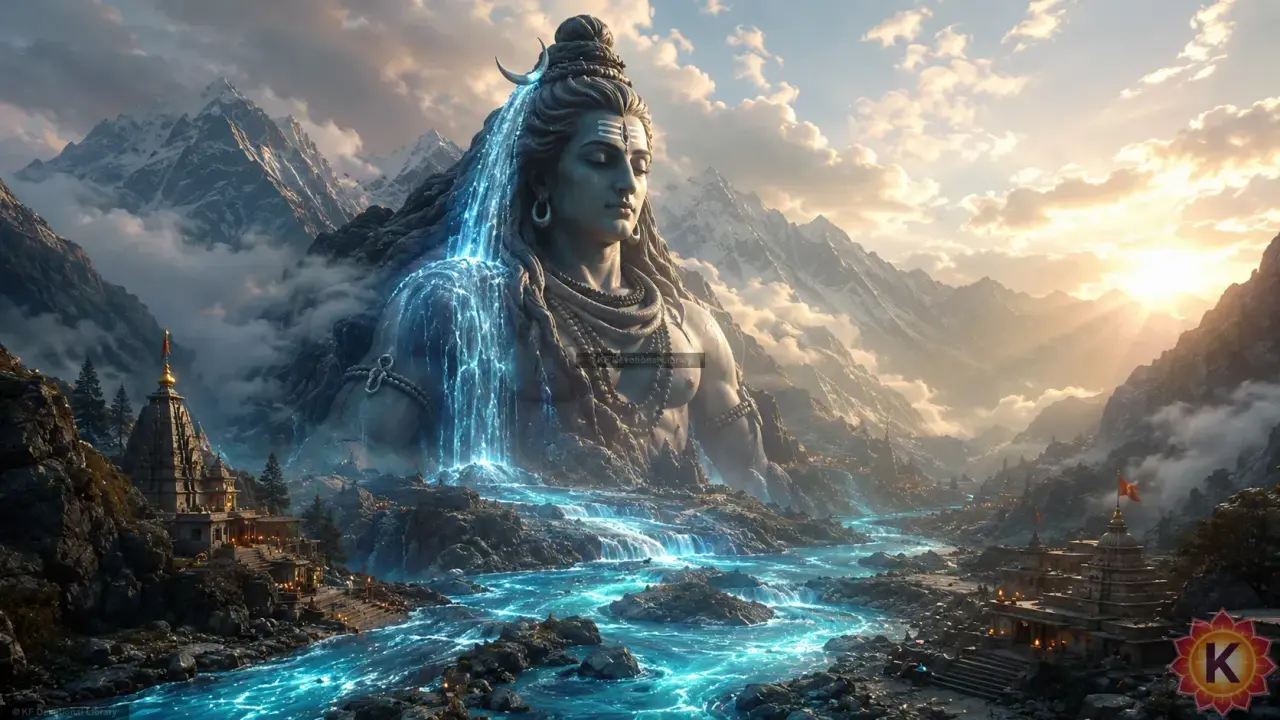
हिंदू धर्म में, गंगा नदी केवल पानी का एक शरीर नहीं है; उसकी पूजा एक जीवित देवी ('माँ गंगा') के रूप में की जाती है। शास्त्रों के अनुसार, वह मूल रूप से स्वर्ग में बहती थी और राजा भगीरथ की तपस्या द्वारा अपने पूर्वजों के पापों को धोने के लिए पृथ्वी पर लाई गई थी। गंगा में स्नान करने से पिछले जन्म के पाप धुल जाते हैं।
In Hinduism, the River Ganga is not just a body of water; she is worshipped as a living Goddess ('Maa Ganga'). According to scripture, she originally flowed in the heavens and was brought down to Earth by King Bhagiratha's penance to wash away the sins of his ancestors. Bathing in the Ganges is believed to purify the soul of past karmic debts, and using her water (Gangajal) is mandatory in almost all Hindu rituals.
Overview
पानी को सार्वभौमिक रूप से शुद्धि के प्रतीक के रूप में मान्यता प्राप्त है। लेकिन भारत में, गंगा अंतिम प्यूरीफायर है। हिमालय के बर्फीले ग्लेशियरों से बंगाल की खाड़ी तक बहती हुई, वह आधे अरब लोगों के जीवन को बनाए रखती है। एक भक्त हिंदू के लिए, गंगा में डुबकी लगाए बिना जीवन अधूरा है।
Water is universally recognized as a symbol of purification. But in India, the Ganga is the ultimate purifier. Flowing from the icy glaciers of the Himalayas down to the Bay of Bengal, she sustains the lives of half a billion people. For a devout Hindu, life is incomplete without a dip in the Ganga, and death is incomplete if one's ashes are not immersed in her currents.
स्वर्ग से अवतरण
The Descent from Heaven
महाकाव्य रामायण गंगा के अवतरण की कहानी का विवरण देता है। जब राजा भगीरथ ने अपने शापित पूर्वजों को शुद्ध करने के लिए स्वर्गीय नदी से पृथ्वी पर आने की भीख मांगी, तो उसने चेतावनी दी कि उसके उतरने का बल ग्रह को चकनाचूर कर देगा। पृथ्वी को बचाने के लिए, भगवान शिव ने अपनी जटाओं में गिरती हुई नदी को पकड़ लिया, और धीरे से उसे धाराओं में छोड़ दिया।
The epic Ramayana details the story of Ganga's descent. When King Bhagiratha begged the heavenly river to come down to Earth to purify his cursed ancestors, she warned that the force of her descent would shatter the planet. To save the Earth, Lord Shiva stood on the peaks of the Himalayas and caught the falling river in his matted dreadlocks (Jata), gently releasing her in streams. This is why Shiva is often known as 'Gangadhara' (He who holds the Ganga).
गंगाजल का चमत्कार
The Miracle of Gangajal
यह एक अच्छी तरह से प्रलेखित घटना है कि गंगा का पानी (गंगाजल) वर्षों तक सीलबंद बोतल में रखे जाने पर भी खराब नहीं होता है। आधुनिक वैज्ञानिक इसका श्रेय हिमालय की चट्टानों से अद्वितीय खनिजों को देते हैं। हालांकि, हिंदुओं के लिए, यह उसकी ईश्वरीय, शुद्ध करने वाली प्रकृति का प्रमाण है।
It is a well-documented phenomenon that water from the Ganges (Gangajal) does not putrefy, even if kept in a sealed bottle for years. Modern scientists attribute this to the high presence of bacteriophages (viruses that kill harmful bacteria) and unique minerals from the Himalayan rocks. For Hindus, however, this incorruptibility is simply proof of her divine, purifying nature.
Frequently Asked Questions
In Hindu theology, it is not the physical water that washes away the sins, but the absolute faith, repentance, and surrender of the devotee taking the dip. If one bathes with an impure mind intending to commit more sins, the water does nothing.
It is believed that because the Ganga flows from the spiritual realm into the earthly realm, she acts as a bridge. Immersing ashes in her waters guides the soul of the departed away from the physical world and toward Moksha (liberation).
Cultural Significance
Every evening in holy cities like Haridwar and Varanasi, thousands gather on the banks (ghats) for the 'Ganga Aarti'. Priests offer massive flaming lamps to the river as chanting echoes in the air. It is a mesmerizing act of collective gratitude to the river that gives life to India.
Disclaimer
The content provided on this page is for educational and informational purposes only. OneSanatan makes no claims or guarantees regarding spiritual results, historical absolute accuracy, or religious outcomes. We are not responsible or liable for any personal interpretations or actions taken based on this information.
Explore More Panchang Modules
Continue Reading