Why is Mehndi Applied in Hindu Marriages? - हिंदू विवाह में मेहंदी क्यों लगाई जाती है?
Discover why Mehndi (Henna) is an essential part of Hindu weddings. Learn about its cooling effects, symbolic representation of love, and the 'Solah Shringar' tradition.
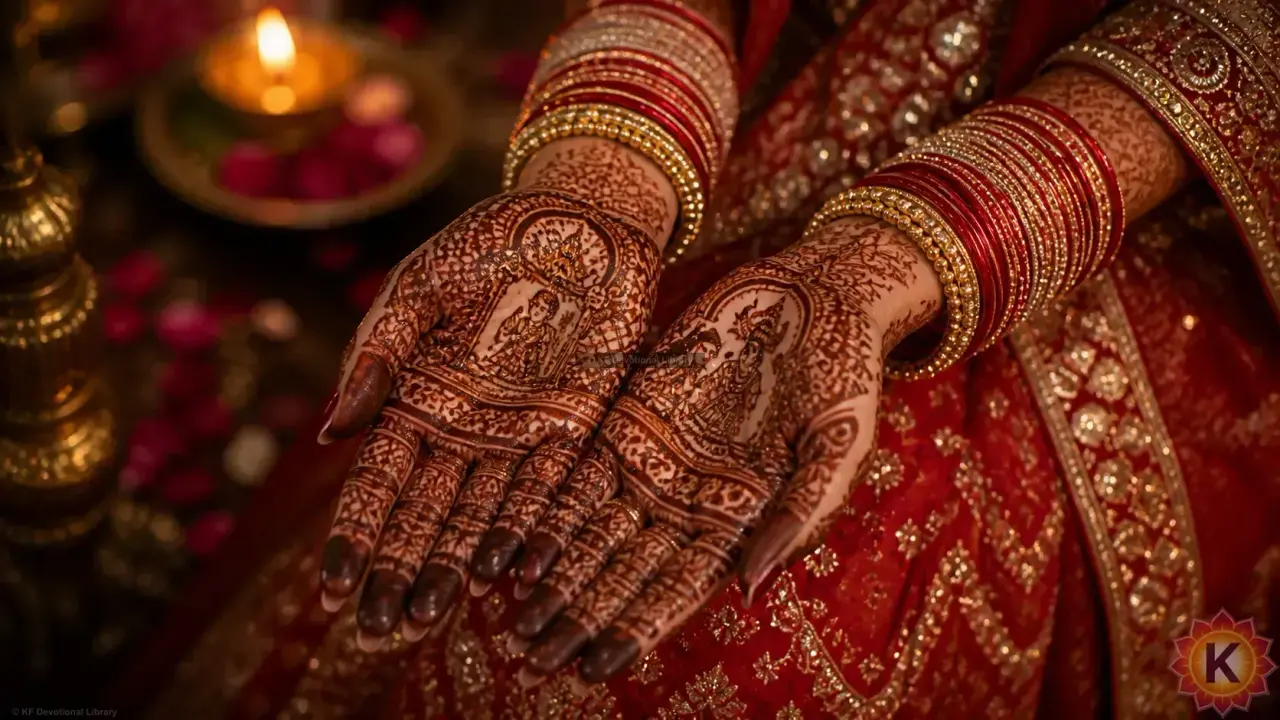
हिंदू परंपराओं में, शादियों के दौरान मेहंदी केवल सुंदरता के लिए नहीं, बल्कि इसके औषधीय और प्रतीकात्मक गुणों के लिए लगाई जाती है। औषधीय रूप से, मेहंदी का शीतलन प्रभाव होता है जो दूल्हा और दुल्हन के तनाव को कम करने में मदद करता है। प्रतीकात्मक रूप से, यह जोड़े के बीच बंधन की ताकत का प्रतिनिधित्व करता है।
In Hindu traditions, Mehndi is applied during weddings not just for beauty, but for its medicinal and symbolic properties. Medicinally, Henna has a cooling effect that helps reduce the stress and nerves of the bride and groom. Symbolically, it represents the strength of the bond between the couple; it is believed that a darker stain signifies deeper love and a strong relationship with the mother-in-law.
Overview
मेहंदी की रस्म भारत में सबसे जीवंत और प्राचीन प्री-वेडिंग अनुष्ठानों में से एक है। जटिल डिजाइनों और उत्सव के माहौल के अलावा, मेहंदी एक गहरा आध्यात्मिक और वैज्ञानिक महत्व रखती है। इसे दुल्हन के 'सोलह श्रृंगार' में से एक माना जाता है।
The Mehndi ceremony is one of the most vibrant and ancient pre-wedding rituals in India. Beyond the intricate designs and festive atmosphere, Mehndi holds a deep spiritual and scientific significance. It is considered one of the 'Solah Shringar' (sixteen adornments) of a bride, marking her transition into married life with grace and auspiciousness.
वैज्ञानिक कारण: तनाव से राहत
The Scientific Reason: Stress Relief
शादियाँ जोड़े के लिए तनावपूर्ण हो सकती हैं। मेहंदी एक प्राकृतिक जड़ी-बूटी है जिसमें शक्तिशाली शीतलन गुण होते हैं। जब इसे हाथों और पैरों पर लगाया जाता है—जहाँ कई तंत्रिका अंत स्थित होते हैं—यह शरीर को ठंडा करता है और तनाव को कम करने में मदद करता है।
Weddings can be stressful for the couple. Henna is a natural herb with potent cooling properties. When applied to the hands and feet—where many nerve endings are located—it cools the body and prevents the nerves from becoming tense. This medicinal benefit helps the bride and groom remain calm and composed during the long wedding rituals.
रंग का प्रतीकात्मक अर्थ
Symbolic Meaning of the Color
मेहंदी के रंग को लेकर कई प्रचलित मान्यताएं हैं। गहरा रंग अक्सर इस बात का संकेत माना जाता है कि दूल्हा अपनी दुल्हन से कितना प्यार करता है। कुछ परंपराएं यह भी बताती हैं कि यह सास से मिलने वाले प्यार और समझ को दर्शाता है।
There are several popular beliefs regarding the color of the Mehndi. A deep, dark stain is often seen as a sign of the immense love the groom has for his bride. Some traditions also suggest that it indicates the love and understanding the bride will receive from her mother-in-law. The longer the color lasts, the more auspicious it is considered for the new couple.
Frequently Asked Questions
Yes, in many Hindu traditions, the groom applies a small amount of Mehndi on his palms as a mark of auspiciousness and for its cooling benefits.
Applying mustard or eucalyptus oil helps the color darken and stay longer by preventing water contact and locking in the natural dye.
Cultural Significance
Mehndi is more than just an adornment; it is a symbol of fertility and protection from evil spirits. In some regions, the groom's name is hidden within the bride's intricate patterns, and he must find it as a fun ice-breaking game on the wedding night, symbolizing their first step towards mutual understanding.
Disclaimer
The content provided on this page is for educational and informational purposes only. OneSanatan makes no claims or guarantees regarding spiritual results, historical absolute accuracy, or religious outcomes. We are not responsible or liable for any personal interpretations or actions taken based on this information.
Explore More Panchang Modules
Continue Reading